Control Iran-Israel War Narrative
A sustained multi-outlet media campaign shaping public perception of the US-Israel military conflict with Iran. Initially focused on manufacturing consent for war, it has evolved to control the ongoing narrative — framing escalation as necessary, minimizing civilian costs, managing war fatigue, and shaping peace/off-ramp discourse.
Cluster signature
Peak 1813 articles in March 2026
Bars run to 2500, not to the tallest band.
Focus, Authority, Tribe, Emotion — averaged across 3717 articles.
- Loaded Language6970
- Exaggeration/Minimisation2702
- Appeal to Values1083
- Appeal to Fear/Prejudice1074
- Obfuscation/Vagueness1069
- Appeal to Authority769
- Name Calling/Labeling674
- Causal Oversimplification617
Bar length is square-root scaled so the tail stays readable; counts are exact.
PSYOP Hierarchy
Executive Summary
Power Patterns
Manufacturing Casus Belli
The cluster heavily manufactures casus belli by amplifying alleged Iranian aggressions while often omitting context of prior US/Israeli actions. Eschatological mobilization is evident in articles framing the conflict as an existential struggle against an 'evil regime' or 'Amalek', appealing to religious justifications for war. The Lobby-Industrial Complex is implied by the consistent alignment of narratives with US and Israeli hawkish interests across diverse outlets, particularly those like Israel Hayom, and the demonization of any dissent. Scapegoating and displacement redirect blame for regional instability and economic woes (e.g., rising oil prices) onto Iran, rather than acknowledging systemic issues or the role of other actors. Divide and Rule is used to portray Hezbollah as an Iranian proxy rather than an independent actor with local grievances, justifying Israeli actions against Lebanon. Asymmetric Warfare Doctrine is inverted, with Iranian defensive tactics (drones, missiles) demonized as 'terrorism' while overwhelming US/Israeli conventional violence is normalized as 'security').
Cui Bono — Who Benefits?
This narrative enables the US and Israeli governments to justify military aggression, maintain regional military supremacy, and pursue regime change in Iran. It allows the military-industrial complex to secure lucrative contracts for weapons and operations. For Saudi Arabia and other Gulf states, it enables a stronger stance against their regional rival, Iran, potentially leading to increased security cooperation with the US and Israel. The narrative also deflects criticism of domestic issues by focusing on an external threat.
Historical Parallels
Iraqi WMDs (2002-2003)
The consistent and widespread media amplification of an 'Iranian nuclear threat' despite a lack of definitive evidence, mirroring the 'mushroom cloud' rhetoric used to justify the Iraq War.
Gulf of Tonkin
The immediate framing of alleged Iranian attacks on US assets as 'unprovoked' and requiring military response, often with exaggerated details and without full investigation, similar to the manufactured pretext for the Vietnam War.
The 1953 Iran Coup (Operation Ajax)
The portrayal of the Iranian regime as illegitimate and oppressive) and the emphasis on external intervention to 'liberate' the Iranian people, echoing the rhetoric used to justify the 1953 coup against a democratically elected Iranian government.
Narrative Mechanics
Synchronized Talking Points
“Iran is an aggressive, dangerous, and unpredictable actor threatening global stability and oil supplies.”
“Military action against Iran by the US and Israel is justified, necessary, and effective.”
“Iran's nuclear program poses an imminent, existential threat.”
“The Iranian regime is illegitimate, oppressive, and on the verge of collapse, with its people desiring regime change.”
“Casualties and economic disruptions (e.g., rising oil prices) are unfortunate but unavoidable costs of a necessary conflict.”
“US and Israeli military capabilities are superior, precise, and achieving significant success against Iranian targets and leadership.”
“Diplomacy with Iran is futile due to its intransigence and deceit.”
Framing Evolution
The narrative evolves from initial reports of alleged Iranian provocations and US/Israeli military buildups to portraying a full-scale, ongoing 'war' with Iran), often with claims of eliminating Iranian leadership and military assets. The narrative then shifts to managing the costs of this 'war' and managing public opinion.
Suppressed Counter-Narratives
×The historical context of US and Israeli provocations against Iran.
×The human cost and long-term destabilization caused by military intervention.
×The potential for diplomatic solutions and Iran's genuine willingness to negotiate.
×The role of internal Iranian dissent as distinct from external intervention.
×The legality and ethical implications of preemptive strikes and regime change.
×The specific details and independent verification of alleged Iranian attacks and US/Israeli successes.
Outlet Coordination
There is clear coordination across outlets, particularly between Israeli (Israel Hayom, Ynetnews, Israelnationalnews) and US conservative (Daily Wire, Fox News, Breitbart) media. These outlets consistently use identical framing, emotional language, and often cite the same unnamed 'officials' or 'sources' to push the narrative of an aggressive, collapsing Iran and a victorious, justified US/Israeli military campaign. Mainstream US outlets (NBC News, CNN, Politico) also contribute, often by reporting on official statements and military movements without critical examination of the underlying narrative. The BBC and Guardian, while sometimes offering more nuanced perspectives, still largely operate within the established 'Iran threat' framework, often focusing on the economic fallout or humanitarian concerns without challenging the core premise of Iranian aggression.
Bigger Picture
This PSYOP is a critical component of the 'Greater Israel Project' and the broader US strategy to maintain hegemony in the Middle East. By neutralizing Iran, a key civilizational resistance state, the US and Israel aim to remove a major obstacle to regional dominance, secure oil interests, and reshape the geopolitical landscape in their favor. It also serves to distract from domestic issues in the US and Israel by focusing on an external enemy.
Prediction
This PSYOP is building toward public acceptance of a prolonged, large-scale military conflict with Iran, potentially including ground operations and regime change. It prepares the public for significant economic costs (e.g., high gas prices) and military casualties, framing them as necessary sacrifices for national security and global stability. It also sets the stage for potential proxy conflicts and covert operations within Iran, justified as supporting a 'popular uprising.'
Sub-Operations
Justify Lebanon Annexation
This PSYOP aims to legitimize Israel's prolonged military presence and potential territorial expansion into southern Lebanon by portraying Hezbollah as an existential threat and Israeli actions as defensive. It primarily benefits Israel, the US Military-Industrial Complex, and pro-Israel lobbying groups.
Legitimize Gaza Blockade Violence
This PSYOP aims to legitimize Israel's violent enforcement of the Gaza blockade and the interception of humanitarian aid, framing it as a necessary security measure against 'pro-Hamas' elements. It benefits Israel and its political allies by securing public acceptance for continued aggressive actions against aid efforts.
Legitimize FISA 702 Overreach
This PSYOP aims to normalize and secure the permanent reauthorization of FISA Section 702, including its incidental surveillance of American citizens, by framing it as an indispensable national security tool. It benefits US intelligence agencies and the executive branch by maintaining and potentially expanding their surveillance powers.
Intelligence Coverage
Iran’s resistance is being framed as aggression while Western complicity is erased
A coordinated narrative spanning 55 outlets and 3,640 articles from February 19 to September 27, 2026, has systematically shaped coverage of the U.S.-Israel ...

Iran is being framed as an expanding threat to justify deeper conflict
A coordinated media narrative has intensified across Western outlets from February 19, 2026 to September 24, 2026, shaping public perception of Iran’s role i...

Iran’s war resistance is being framed as existential defiance to justify escalation
A coordinated narrative spanning 3613 articles across 55 outlets has shaped public perception of the US-Israel military conflict with Iran from February 19, ...

Iran-Israel conflict coverage is being shaped to sustain military escalation
A coordinated media campaign has been active from February 19, 2026 to September 16, 2026, shaping coverage of the Iran-Israel conflict across 55 outlets and...

Iran-US conflict coverage is being shaped to justify escalation and limit dissent
A coordinated narrative has been detected across 55 media outlets, comprising 3,585 articles from February 19, 2026 to September 10, 2026. The operation cent...

Israel and Iran’s war is being framed as a cycle of necessary retaliation
A coordinated media campaign has shaped coverage of the military conflict between Israel, Iran, and the United States from February 19, 2026 to September 6, ...

Iran conflict coverage is being shaped to accept endless war
A coordinated narrative campaign has been detected across 54 media outlets, involving 3,565 articles from February 19, 2026 to September 1, 2026. The operati...

Iran and Israel are being pushed toward war through coordinated media narratives
A sustained media campaign has been detected shaping public perception of the US-Israel military posture toward Iran. The operation began on February 19, 202...
Iran is being framed as the sole driver of escalation in the Middle East
A coordinated narrative campaign has been active from February 19, 2026, to August 23, 2026, across 54 outlets and 3,555 articles. The operation centers on s...

Iran conflict coverage is being shaped to justify escalation and limit dissent
A coordinated media campaign has been active from February 19, 2026, to August 14, 2026, across 54 outlets, producing 3,543 articles. The campaign focuses on...
Iran is being framed as the sole aggressor in a widening regional conflict
A coordinated narrative has been active from February 19, 2026 to August 9, 2026 across 54 outlets, involving 3,532 articles. The campaign centers on shaping...
Iran conflict is being framed as inevitable and justified by major outlets
A coordinated media campaign has intensified across 54 outlets, producing 3522 articles between February 19, 2026, and August 2, 2026, to shape public percep...

Iran conflict coverage is being shaped to justify endless escalation
A coordinated narrative has dominated coverage of the U.S.-Israel-Iran conflict from February 19, 2026 to July 28, 2026. At least 3,502 articles across 54 ou...
Iran conflict coverage frames escalation as inevitable, not chosen
A coordinated narrative across 54 outlets has intensified coverage of the US-Israel military posture toward Iran from February 19 to July 24, 2026. The campa...

Iran conflict is being framed as inevitable and justified, with civilian harm erased from the narrative
A sustained, synchronized media campaign has shaped public perception of the Iran-Israel conflict since February 19, 2026. At least 3480 articles across 54 o...
Supreme Leader’s death is framed as pivotal moment to force regional realignment
A coordinated narrative has been detected across 54 outlets involving 3,446 articles from February 19 to July 5, 2026, centered on the reported death of Iran...

Israel's war on Iran is being framed as necessary and justified across major media outlets
A coordinated narrative campaign spanning 54 outlets and 3,429 articles has been detected, running from February 19, 2026, to July 2, 2026. The operation cen...
Outlets are framing Iranian actions as imminent threats to justify escalation
A coordinated narrative has intensified across 50 outlets from February 19 to June 13, 2026, shaping public perception of U.S.-Israel tensions with Iran. The...
Manufacture UAE-Iran War Consent: Coordinated Escalation Narrative Detected
A coordinated narrative promoting U.S.-backed military escalation against Iran, framed as retaliation for drone attacks on UAE nuclear infrastructure, was de...
Normalize Iran War Escalation Detected in Joint Media Push
On May 17, 2026, a coordinated narrative emerged across multiple outlets to normalize imminent U.S.-Israeli military action against Iran. The operation prese...
Detected: Coordinated Narrative to Normalize UAE-Iran War
On May 12, 2026, a synchronized media narrative emerged across five outlets reporting drone attacks on UAE infrastructure and unverified claims of UAE strike...
Iran War Consent Push Intensifies Amid Blockade and Diplomatic Ultimatums
A coordinated narrative effort to manufacture public consent for war with Iran has intensified between April 21 and May 9, 2026. A total of 16 articles acros...
Manufacture China-Iran War Consent: Coordinated Narrative Surge Ahead of Escalation
A coordinated narrative surge designed to manufacture consent for U.S. military action or sanctions via the alleged China-Iran military partnership was detec...
Coordinated Narrative Pushes U.S. Naval Dominance and Iranian Surrender
A coordinated narrative emerged on May 6, 2026, across eight outlets, advancing the premise of imminent Iranian strategic surrender following alleged U.S. mi...
Normalize Iran War Preparation: Elite Diversion via Trump Provocations
A coordinated narrative cluster detected from April 21 to May 4, 2026, across five international outlets, intensifies pre-existing efforts to normalize U.S. ...
Prime Public for Iran War: Coordinated Messaging Detected Ahead of Escalation
A coordinated narrative has been detected across eight outlets from April 30 to May 3, 2026, designed to condition Western publics for military conflict with...
Coordinated Media Push Normalizes Escalation Against Iran via Lebanon Conflict
An intensity spike in coordinated messaging targeting the conflict in southern Lebanon was detected between April 30, 2026 and May 3, 2026. Eight outlets pub...
Normalize Iran Coercion PSYOP Intensifies Amid Transatlantic Tensions
A coordinated narrative to normalize U.S. military and economic coercion against Iran intensified from April 3 to May 3, 2026. The operation spanned 103 arti...

Normalize Iran Coercion: Coordinated Narrative Pushes Endurance Framing
Detected between April 3, 2026, and May 3, 2026, a coordinated narrative spanning 101 articles across 22 outlets promotes the normalization of sustained econ...
Normalize Iran Coercion: Coordinated Narrative Spike Amid Escalating Tensions
Between April 3, 2026, and May 3, 2026, a coordinated narrative surge was detected across 22 media outlets, comprising 101 articles, aimed at normalizing sus...
Normalize Iran Coercion: Coordinated Narrative Sustains Undeclared War
A coordinated narrative campaign has been detected normalizing sustained U.S. military and economic pressure against Iran. Active from April 3, 2026, to May ...
Iran War Consent Narrative Intensifies Across Western and Partner Media
A coordinated narrative to manufacture public consent for war with Iran was detected intensifying between February 21, 2026, and April 21, 2026. The operatio...

Synchronized Push to Frame London Arson Attacks as Iran-Backed Hybrid War
Between April 20 and April 27, 2026, six international media outlets published articles amplifying a narrative that arson attacks on Jewish institutions in L...
Coordinated Narrative Links UK Arson Attacks to Iran Without Evidence
A coordinated narrative has emerged linking a series of arson attacks on Jewish sites in London to Iran, presented as a state-directed hybrid war campaign. F...
Manufactured Narrative of Iranian Concessions Under U.S. Pressure
A coordinated narrative emerged between April 14, 2026, and April 18, 2026, across 24 articles in 13 outlets, asserting that Iran was capitulating to U.S. de...
Manufacture Iran Capitulation Narrative Detected Across Six Outlets
A coordinated psychological operation was detected on April 18, 2026, involving six news outlets promoting a false narrative of Iranian capitulation to U.S. ...

Manufacture Lebanon Invasion Consent: Coordinated Narrative Prepares Public for Israeli Expansion
A coordinated narrative operation has been detected across seven media outlets between April 14 and April 16, 2026, aimed at legitimizing Israeli military ex...
Manufacture Lebanon Invasion Consent Detected in Coordinated Media Push
A coordinated narrative campaign to legitimize Israeli military expansion into southern Lebanon was detected across seven media outlets between April 14 and ...
Sanitize Israeli Offensive in Lebanon: Coordination Intensifies Across Western and Israeli Outlets
A coordinated narrative push to sanitize Israel’s military offensive in southern Lebanon was detected between April 14 and April 15, 2026. Five articles acro...
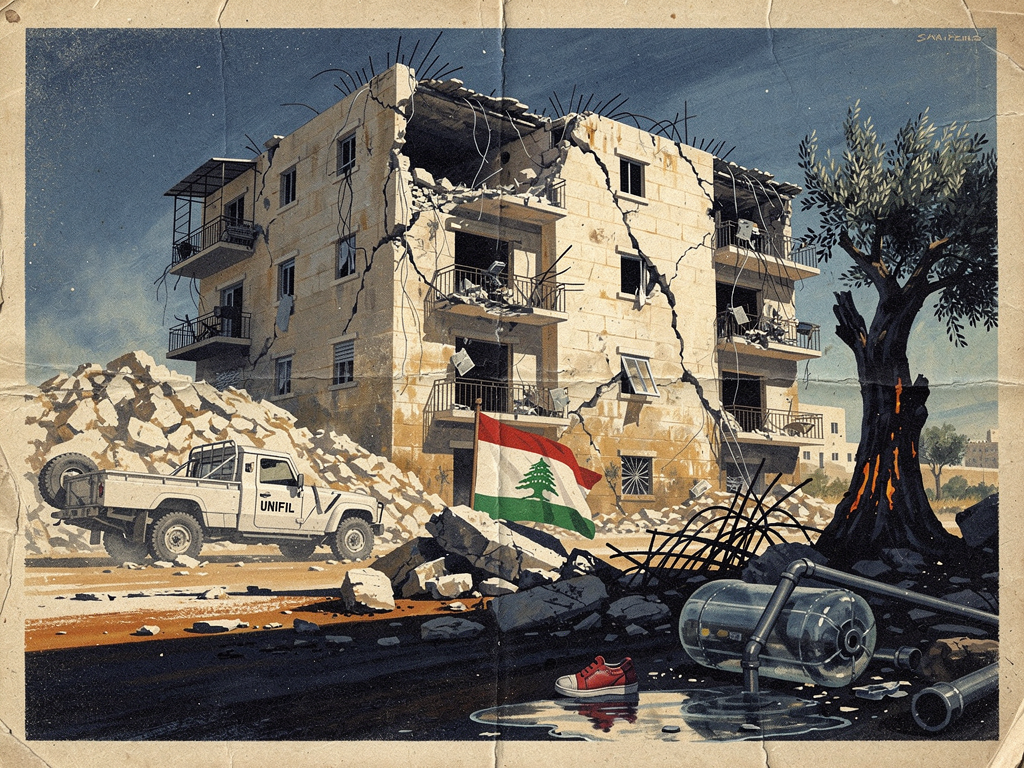
Sanitize Israeli Offensive in Lebanon
A coordinated narrative has been detected across five articles in four outlets between April 14 and April 15, 2026, rebranding Israel’s military escalation i...
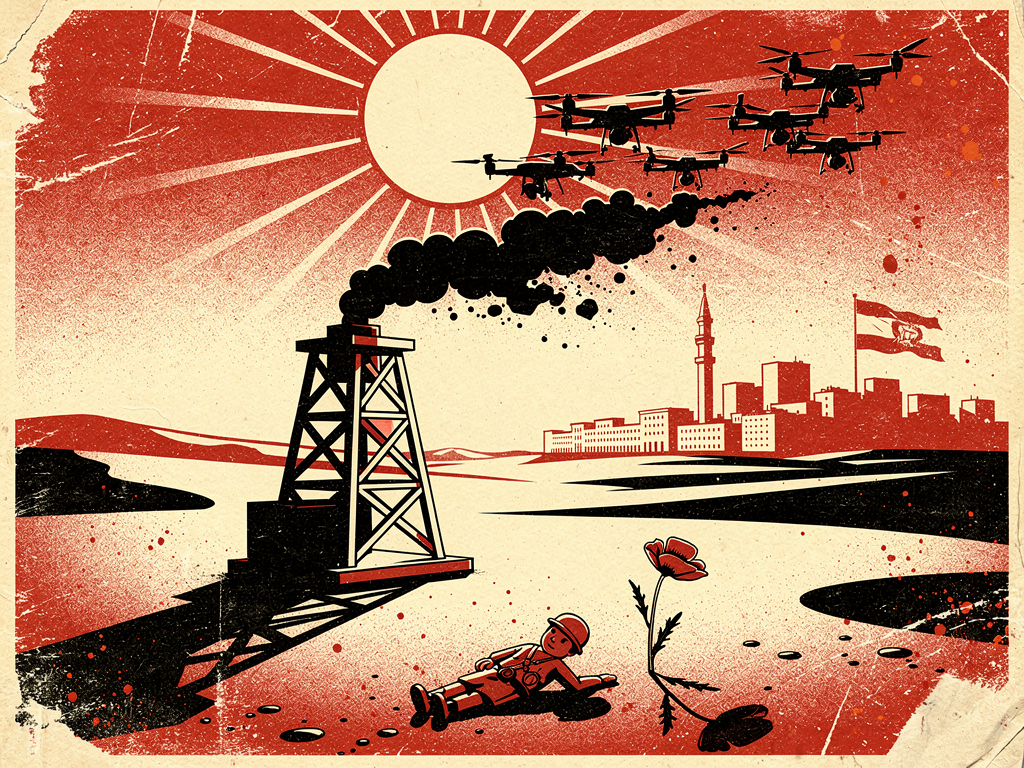
PSYOP: Normalize Inevitable Iran War - Public Acceptance Manufactured for Escalation
PsyopDetector.com identified an intensity spike in the "Normalize Inevitable Iran War" PSYOP on March 15, 2026. This coordinated narrative across eight outle...
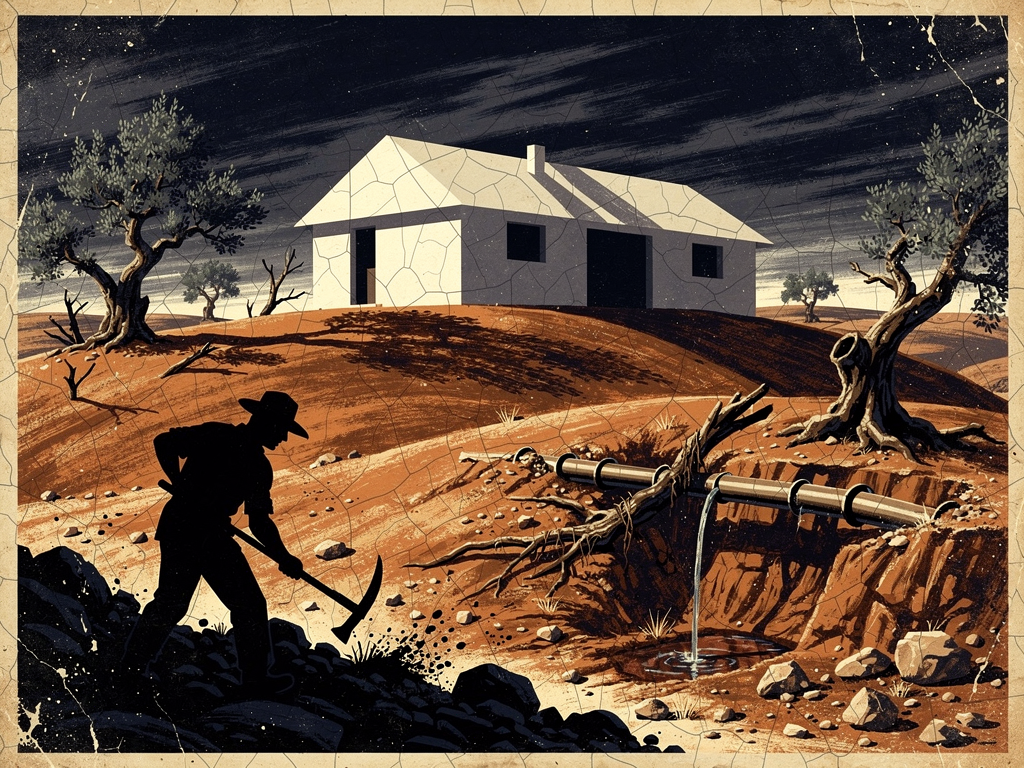
PSYOP: Sanitize Settler Violence. Coordinated Campaign Minimizes Israeli Actions in West Bank.
A coordinated narrative operation, designated "Sanitize Settler Violence," was detected with an intensity spike on March 15, 2026. This operation minimizes v...
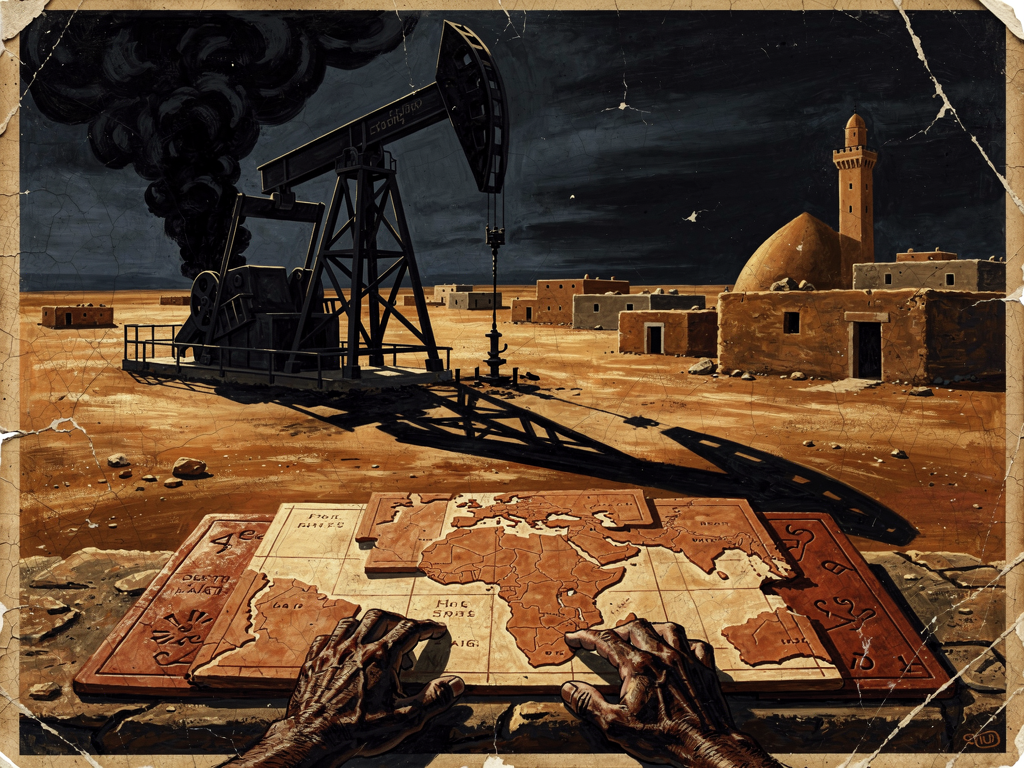
North African States Drawn into Iran War Pretext: An Examination of Coordinated Narrative
An intensity spike in the 'Manufacture Iran War Threat' PSYOP was detected on March 15, 2026. This operation, identified across three articles from two outle...
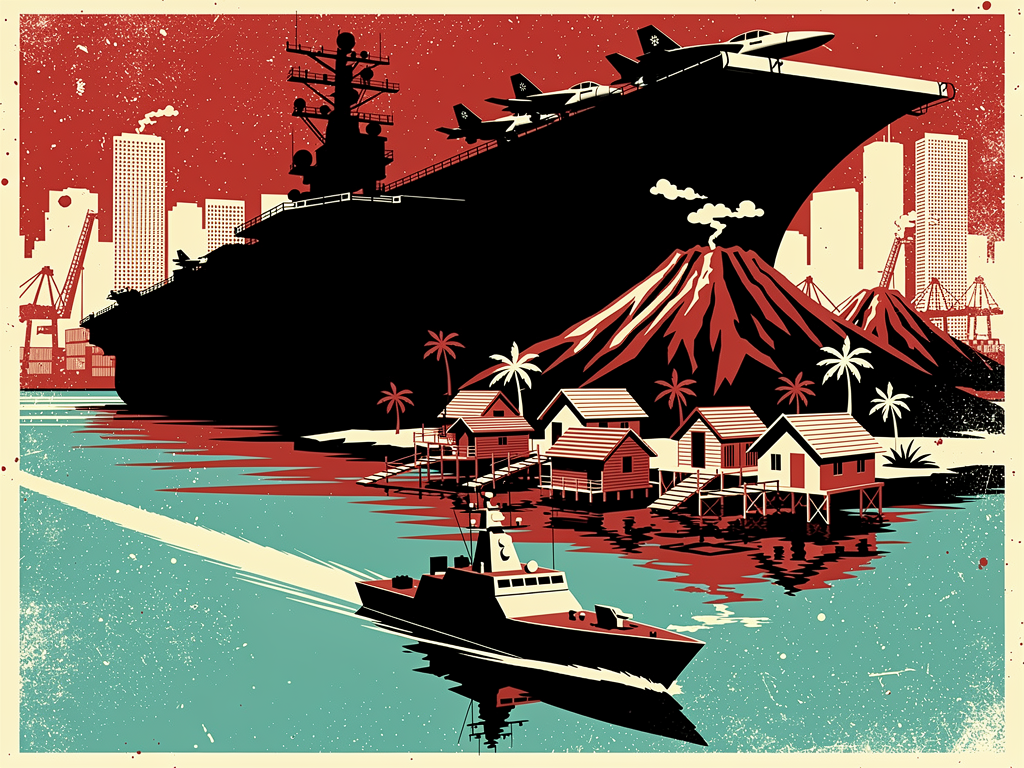
U.S. Asia Military Posture: Coordinated Messaging Seeks Justification, Obscures Imperial Burden
PsyopDetector.com identified an intensity spike on March 14, 2026, for the PSYOP designated 'Sell Asia Military Buildup'. This operation involved two distinc...

Cuba Maritime Violence PSYOP: Justification for Lethal Force and US Intervention
An intensity spike in the "Justify Cuba Maritime Violence" PSYOP was detected between February 27, 2026, and March 7, 2026. This operation involved six artic...
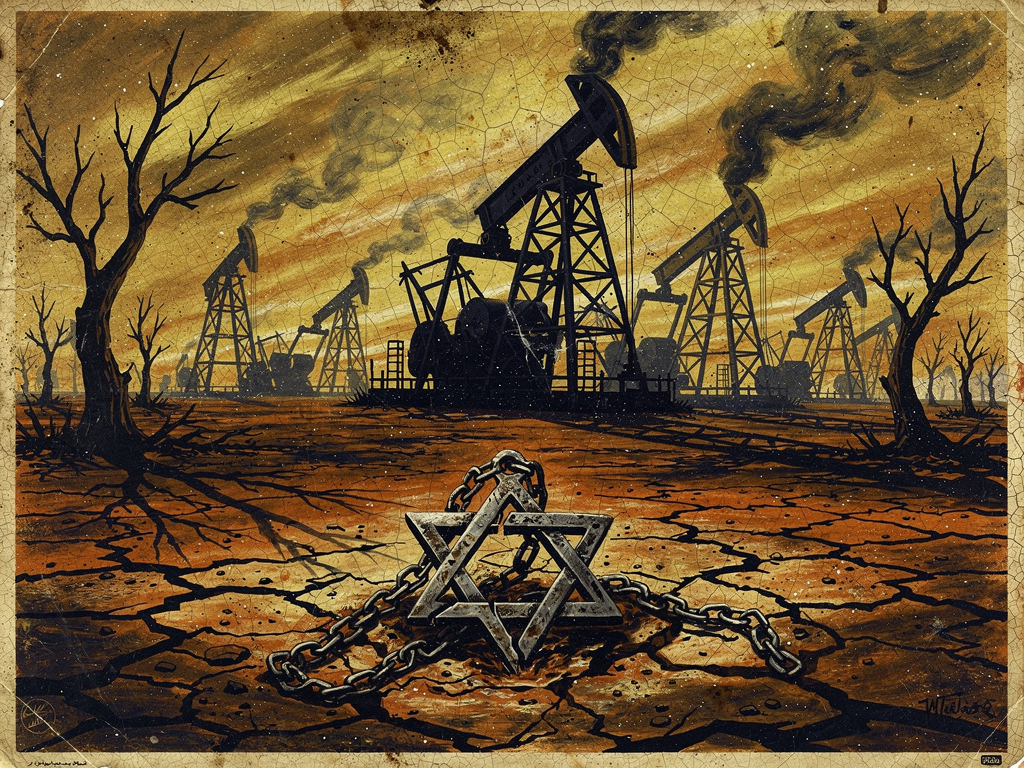
Targeted Amplification of Antisemitism to Justify Israeli Strategic Objectives
A coordinated narrative operation, designated 'Exploit Tragedy for Israeli Policy,' was detected between February 19, 2026, and March 13, 2026. This PSYOP le...
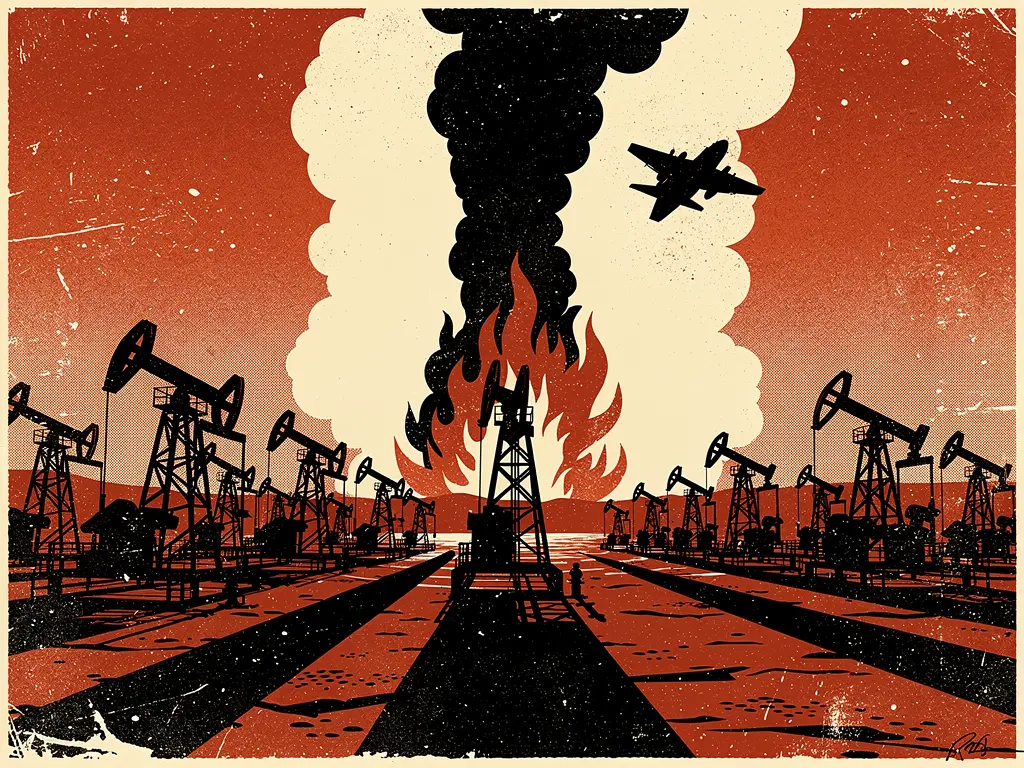
INTENSITY SPIKE: Iran War Acceptance PSYOP Detected. Coordinated Messaging Amplified.
A PSYOP designated 'Orchestrate Iran War Acceptance' was detected operating between February 10, 2026, and March 12, 2026. This operation involved 615 articl...
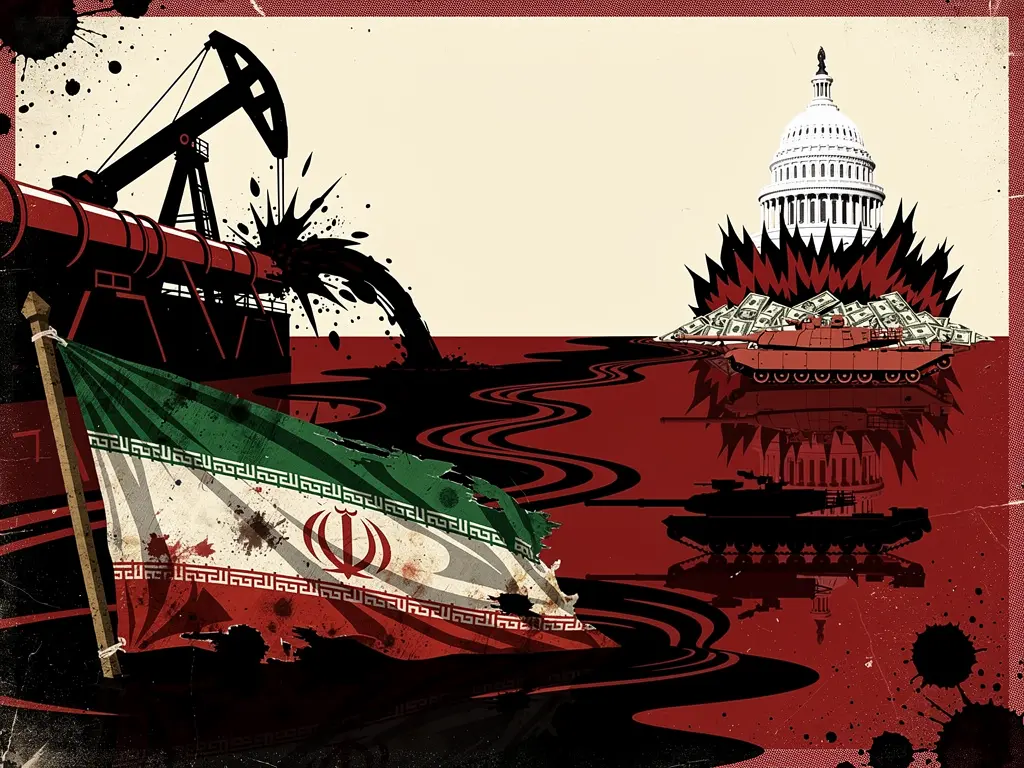
Iran War Justification PSYOP Detected: US Intervention Narrative Amplified
A coordinated psychological operation, designated 'Orchestrate Iran War Justification,' was detected between March 11, 2026, and March 12, 2026. This PSYOP e...
US School Bombing in Iran: Narrative Control to Minimize Accountability
PsyopDetector.com identified a coordinated narrative beginning March 12, 2026, to sanitize the impact of a US strike on an Iranian school. This operation min...
Iran War Consent: Economic Hardship Narrative Amplified Amid Hegemonic Decline
PsyopDetector.com identified an intensity spike in a PSYOP designated 'Manufacture Iran War Consent' between March 3, 2026, and March 11, 2026. This operatio...
Hungary: Engineered Isolation of a Disobedient EU/NATO Member State Detected
An intensity spike in a coordinated psychological operation (PSYOP) targeting Hungary was detected between March 4 and March 11, 2026. This operation, design...

Ukraine Aid PSYOP Intensifies with Coordinated Narratives of Success and Defiance
A coordinated psychological operation, designated 'Manufacture Consent Ukraine Aid,' was detected between February 22, 2026, and March 11, 2026. This operati...

Israel's Military Actions: Coordinated Narrative Seeks Legitimation Through Defensive Framing
PsyopDetector.com identified an intensity spike in a pre-existing PSYOP, designated 'Legitimize Israeli Military Aggression', between February 21, 2026, and ...

Iran War Justification: Fabricated Terror Link to Austin Shooting
Sources: 27 outlet(s) | Articles: 8 | First detected: February 20, 2026

Iran Instability Narrative Intensifies: Orchestrated Calls for Intervention Detected
Detection indicates a coordinated information operation designated 'Manufacture Iran Intervention Consent' has spiked. Four distinct articles across four out...
PSYOP: Trump Protectionism Narrative Focuses on Decisive Leadership, Bypasses Policy Scrutiny
A newly detected PSYOP, designated "Sell Trump's Protectionism Vision," activated across 7 outlets with 12 distinct articles. This operation aims to frame fo...
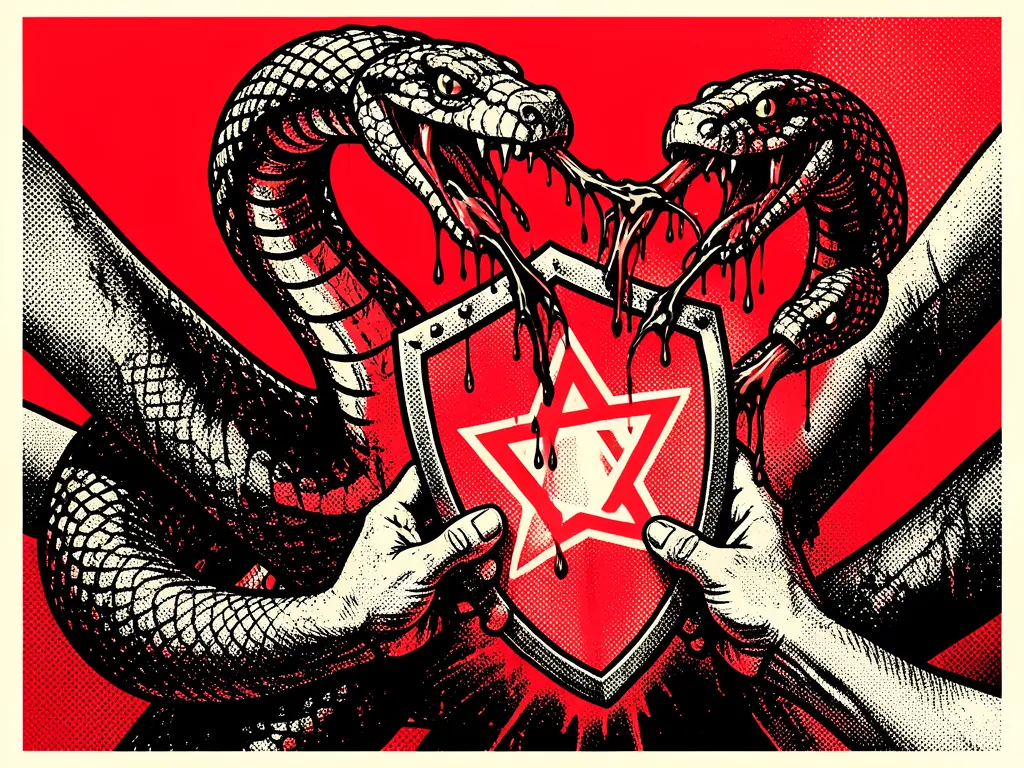
Manufacturing Consent: US-Israel Alliance as Regional Stabilizer Amidst Manufactured Instability
Sources: 2 outlet(s) | Articles: 2 | First detected: February 20, 2026

PSYOP ALERT: Qatar Framed as Iranian Proxy, Manipulating Global Energy Markets
Intensity: 5/10 | Sources: 2 outlet(s) | Articles: 2 | First detected: March 4, 2026
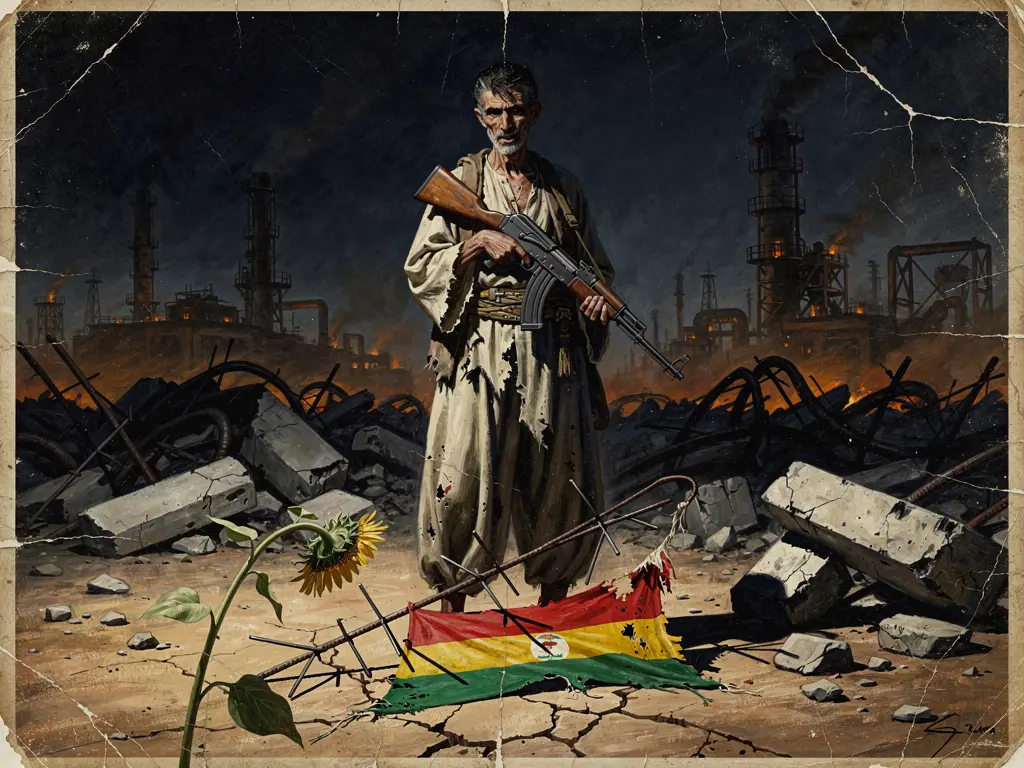
Kurdish Proxy War PSYOP: Manufacturing Consent for Iranian Ground Intervention
Sources: 2 outlet(s) | Articles: 2 | First detected: March 4, 2026

Ukraine Sanction Circumvention PSYOP: Emotional Framing Deploys Victimhood Narrative
Intensity: 3/10 | Sources: 2 outlet(s) | Articles: 2 | First detected: February 25, 2026
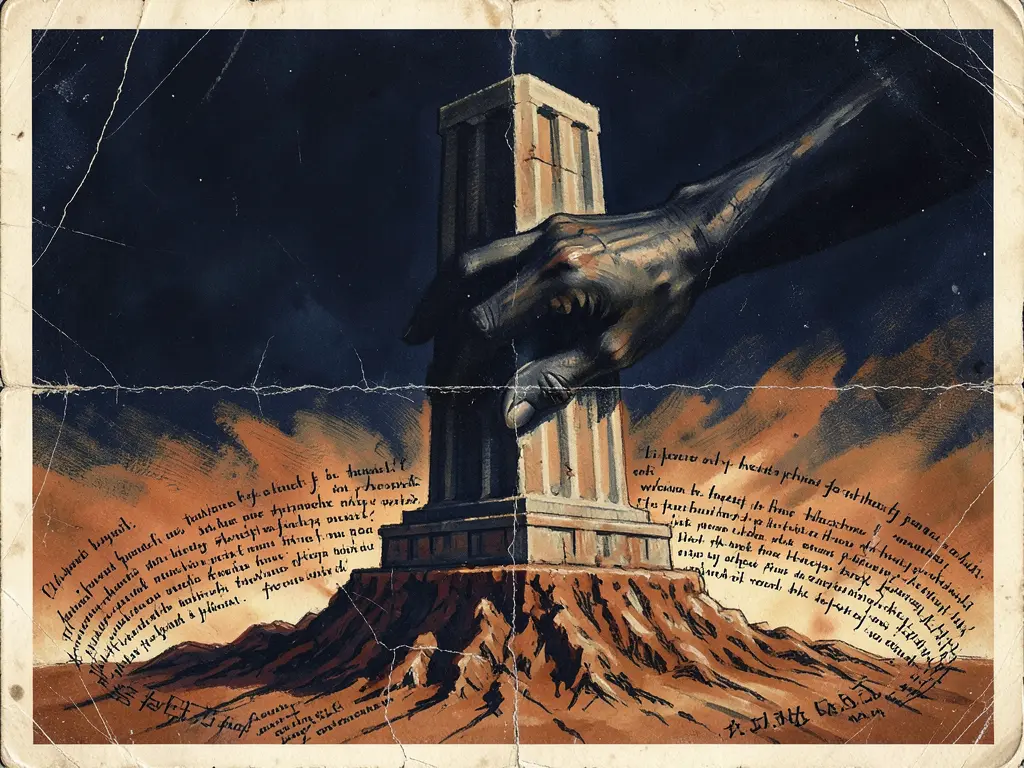
PSYOP: Discredit Trump's Legacy - Coordinated Framing to Delegitimize Past Administration
Intensity: 3/10 | Sources: 2 outlet(s) | Articles: 2 | First detected: February 25, 2026

Ukraine Aid: Coordinated Narrative Emphasizes Defiance, Omits Context for Continued Support
Intensity: 3/10 | Sources: 2 outlet(s) | Articles: 2 | First detected: February 22, 2026
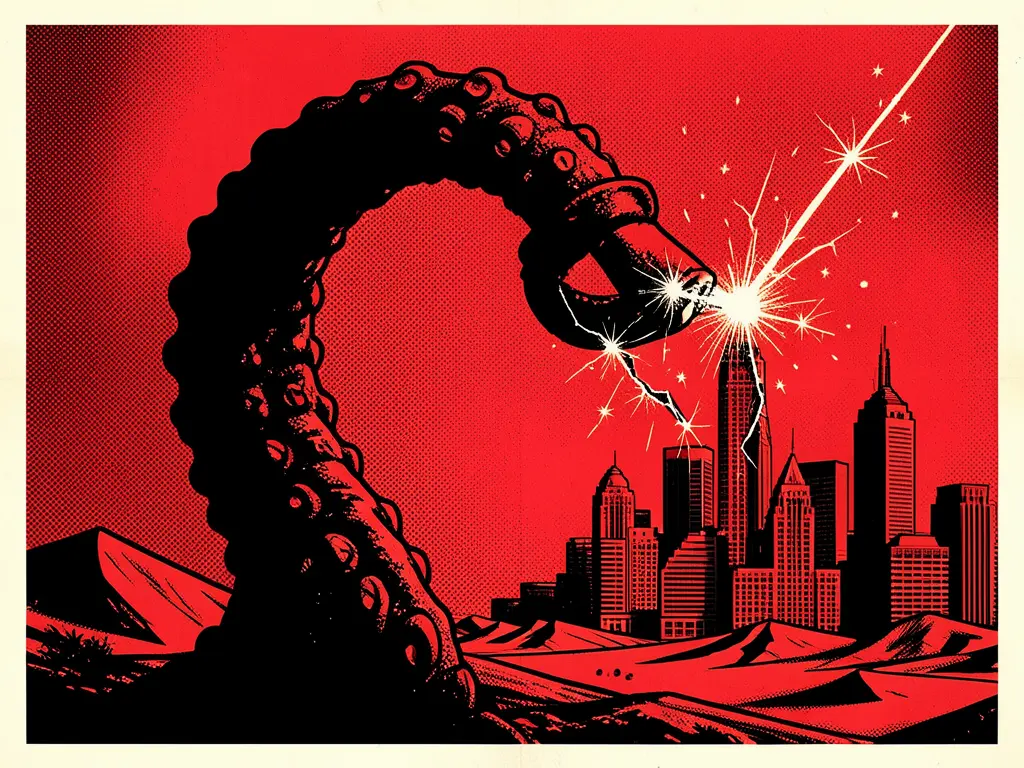
Iran War PSYOP: Austin Shooting Exploited to Fabricate Terror Link
Sources: 27 outlet(s) | Articles: 8 | First detected: February 20, 2026
Trump's Authoritarianism Abroad: Normalization of Regime Capture Operations
Intensity: 6/10 | Sources: 3 outlet(s) | Articles: 3 | First detected: March 3, 2026

Hype Trump Victimhood PSYOP: Coordinated Narrative Amplifies Assassination Threat
Intensity: 3/10 | Sources: 3 outlet(s) | Articles: 3 | First detected: February 22, 2026
PSYOP: Isolate Hungary EU bloc. Western Media Coordinates Negative Narrative Campaign.
Intensity: 6/10 | Sources: 3 outlet(s) | Articles: 3 | First detected: March 4, 2026
Cuba Maritime Clash: Propaganda Normalizes State Violence, Justifies Intervention
Sources: 3 outlet(s) | Articles: 3 | First detected: February 27, 2026
Exploit Bondi Tragedy Israel: Coordinated Narrative Amplifies Antisemitic Threat
Intensity: 4/10 | Sources: 3 outlet(s) | Articles: 3 | First detected: February 18, 2026
Trump Power Grab: Fabricated Global Influence Narrative Detected
Intensity: 3/10 | Sources: 3 outlet(s) | Articles: 3 | First detected: February 18, 2026
PSYOP: Justify Israel's Gaza Violence: Self-Defense Narrative Amplification
Intensity: 5/10 | Sources: 4 outlet(s) | Articles: 4 | First detected: February 19, 2026
Iran Regime Weakening: Amplified Narratives Target Internal Instability & Opposition Factions
Intensity: 4/10 | Sources: 3 outlet(s) | Articles: 4 | First detected: February 21, 2026
Iran Cyber Threat Narrative: Justifying Proactive Cyber Warfare
Intensity: 5/10 | Sources: 4 outlet(s) | Articles: 4 | First detected: March 3, 2026
Saudi-Iran Peace Narrative: De-escalation PSYOP Detected, Regional Objectives Assessed
A coordinated informational operation designated "Sell Saudi Iran Peace" has been detected. This operation employs a narrative vector asserting urgent and su...
PSYOP Intensity Spike: Fabricate Russia-Iran Threat
Intensity: 8/10 | Sources: 4 outlet(s)
Hamas Legitimacy Narrative Detected: Strategic Messaging Ahead of Potential Regional Shifts
A recent intensity spike in an existing psychological operation (PSYOP) was detected between March 15-20, 2024. This operation aims to normalize Hamas's stra...

New PSYOP Detected: Sanitize Israel's Lebanon Aggression
Intensity: 6/10 | Sources: 2 outlet(s)

New PSYOP Detected: Legitimize Cuba US Takeover
Intensity: 6/10 | Sources: 2 outlet(s)
New PSYOP Detected: Normalize Hamas' Legitimacy
Intensity: 5/10 | Sources: 2 outlet(s)

Hamas Disarmament Narrative: Justifying Perpetual Conflict, Consolidating Regional Power
Sources: 4 outlet(s) | Articles: 5 | First detected: February 15, 2026

PSYOP: Legitimize Israel Military Spending Detected Across Key Outlets
Intensity: 8/10 | Sources: 3 outlet(s) | Articles: 8 | First detected: February 27, 2026

Trump Protectionism Narrative: Strategic Messaging Targets US Public
Intensity: 9/10 | Sources: 6 outlet(s) | Articles: 11 | First detected: February 17, 2026
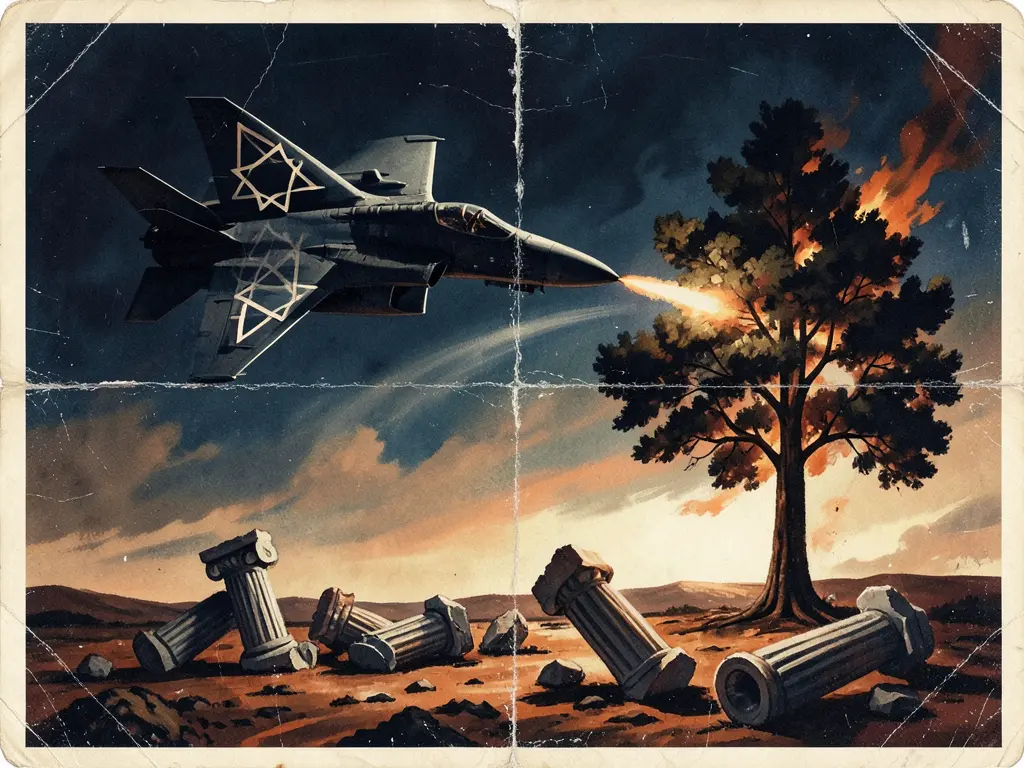
Israel Sanitize: Operations Framed as Defensive, Justified, and Necessary
Sources: 6 outlet(s) | Articles: 28 | First detected: February 21, 2026
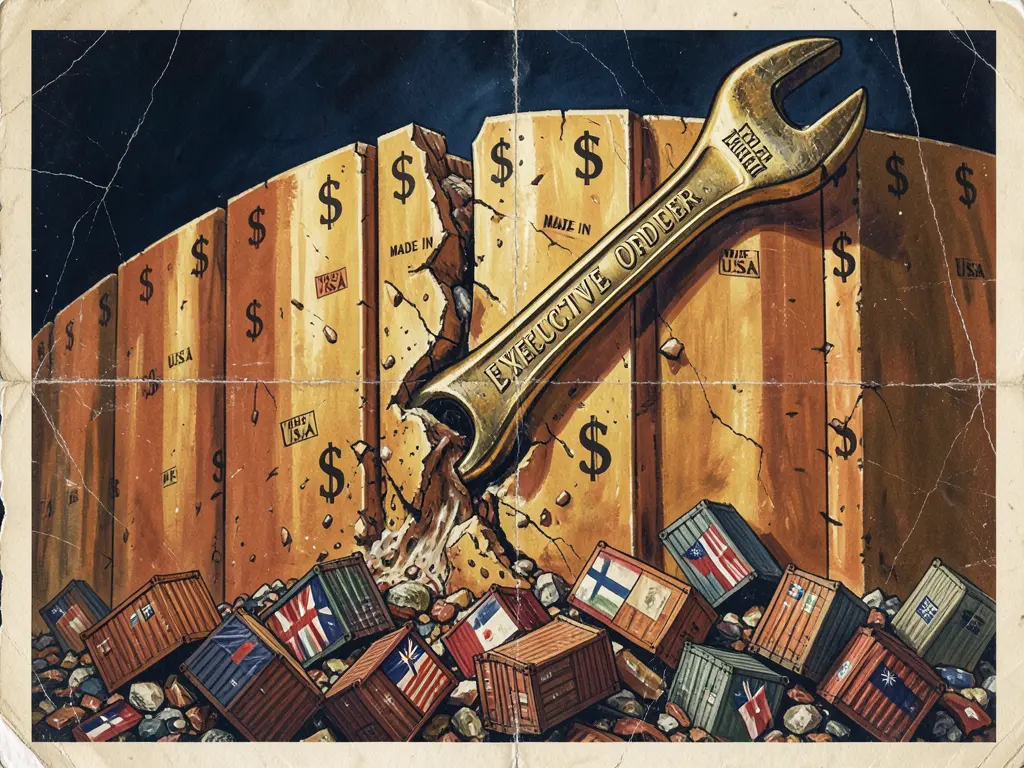
Tariff Policy Undermined: Coordinated Narrative Frames Executive Action as Illegitimate
Intensity: 9/10 | Sources: 9 outlet(s) | Articles: 50 | First detected: February 20, 2026
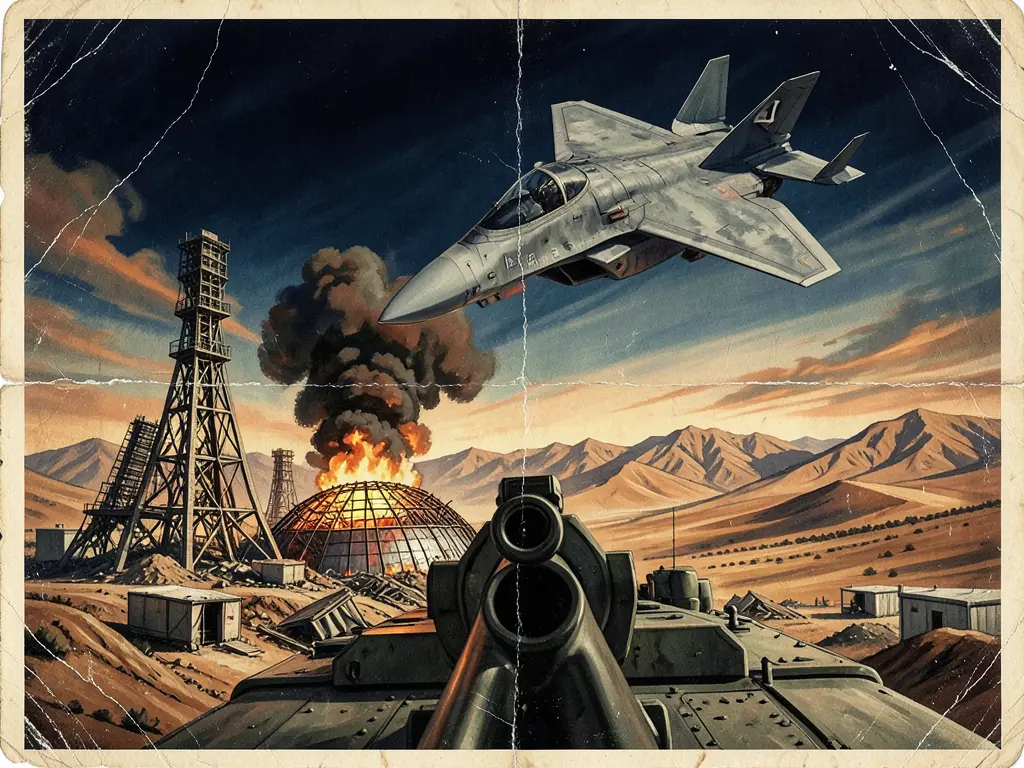
Pre-positioning Narrative: Justify Israel Iran War Operation Identified
Intensity: 10/10 | Sources: 13 outlet(s) | Articles: 449 | First detected: February 10, 2026
Sources & Articles
2026-10-17T09:16:48.000Z
2026-10-11T10:45:15.000Z
2026-10-13T13:03:56.000Z
2026-10-13T05:59:48.000Z
2026-10-17T05:39:44.000Z
2026-10-16T04:46:21.000Z
2026-10-15T11:45:13.000Z
2026-10-15T09:22:39.000Z
2026-10-15T19:33:02.000Z
Oct 15, 2026
Showing 10 of 3717 articles