Sanction Trump's Trade Wars
This PSYOP aims to normalize and garner public support for Donald Trump's aggressive protectionist trade policies, framing them as patriotic and necessary. It benefits Trump's political agenda and domestic industries by preparing the public for sustained economic friction and trade escalations.
Cluster signature
Peak 26 articles in July 2026
Bars run to 40, not to the tallest band.
Focus, Authority, Tribe, Emotion — averaged across 48 articles.
- Loaded Language63
- Exaggeration/Minimisation27
- Appeal to Values26
- Appeal to Authority24
- Appeal to Fear/Prejudice10
- Appeal to Popularity10
- Name Calling/Labeling6
- Slogans5
Bar length is square-root scaled so the tail stays readable; counts are exact.
PSYOP Hierarchy
Executive Summary
Power Patterns
Manufacturing Casus Belli
The PSYOP manufactures a casus belli by framing foreign trade practices (e.g., Canadian 'discrimination,' Chinese 'transshipment scam,' global 'forced labor') as existential threats or moral outrages requiring aggressive U.S. tariff action. This justifies policies that benefit specific domestic industries (rent-seeking behavior) and reinforces a nationalistic narrative of American economic strength and victimhood (myth-making as state formation), often driven by the influence of industry lobbies.
Cui Bono — Who Benefits?
This narrative enables Trump to implement aggressive trade policies, fulfill campaign promises, and consolidate political support by portraying him as a strong leader defending American workers and interests. It allows domestic industries to gain market share and reduce foreign competition, while protectionist advocates see their ideology implemented and validated. The framing also provides a moral and legal shield against international criticism and domestic economic concerns.
Historical Parallels
Iraqi WMDs (2002-2003)
Similar to the WMD narrative, this PSYOP uses intelligence claims (e.g., 'transshipment scam,' 'forced labor') that lack independent verification but are amplified across media to justify pre-planned aggressive actions (tariffs) and manufacture public consent for them. Dissenting economic analyses or evidence are marginalized.
The Reichstag Fire
The sudden, dramatic claims of widespread 'forced labor' or 'transshipment scams' serve as a pretext to justify emergency-like measures (sweeping tariffs) that had been previously prepared or desired, expanding executive power and reshaping economic policy under the guise of urgent necessity.
Narrative Mechanics
Synchronized Talking Points
“Tariffs are a necessary response to unfair foreign trade practices.”
“Foreign nations (Canada, China, EU, Brazil) are 'ripping off' or 'discriminating against' the U.S.”
“Tariffs protect American workers and industries.”
“The U.S. is taking a moral stand against 'forced labor' globally.”
“Trump's tariff actions are legally justified and strategic, even after Supreme Court setbacks.”
Framing Evolution
The narrative initially focused on economic grievances and 'unfair trade' (e.g., Canada trade war, EU tech fines). After the Supreme Court struck down earlier tariffs, it evolved to incorporate 'forced labor' as a primary justification, providing a new legal and moral basis for broad tariff imposition. This shift allowed the administration to 're-create global tariff regime' (cnbc.com, 2026-07-21) and present tariffs as a principled human rights action rather than mere protectionism.
Suppressed Counter-Narratives
×The economic costs of tariffs to American consumers and businesses.
×The retaliatory nature of foreign tariffs and their impact on U.S. exports.
×Independent verification of widespread 'forced labor' claims in all 60 targeted countries.
×The potential for tariffs to disrupt global supply chains and foster economic instability.
×The legal and diplomatic challenges to unilateral tariff actions and the potential for international trade disputes.
Outlet Coordination
Breitbart and Fox News consistently push the most aggressive pro-tariff narratives, framing them as patriotic and economically beneficial, often citing former Trump officials like Peter Navarro (foxnews.com, 2026-08-14). CNBC, while reporting on the actions, often includes official justifications and market reactions that normalize the tariffs, though it occasionally notes international rebukes (cnbc.com, 2026-07-24). Al Jazeera and NBC News report on the tariffs but tend to include more critical perspectives or questions about the justifications, though still within the established framework of reporting on the administration's claims.
Bigger Picture
This PSYOP is part of a broader push towards economic nationalism and a redefinition of global trade rules, aiming to dismantle aspects of the existing 'rules-based international order' that are perceived as disadvantageous to the U.S. or its current leadership. It seeks to establish a precedent for unilateral economic coercion as a legitimate tool of foreign policy, aligning with a 'America First' agenda.
Prediction
This PSYOP is likely building toward public acceptance of a sustained, aggressive protectionist trade policy, potentially leading to further tariff escalations, trade wars, and a significant restructuring of global supply chains. It prepares the public for continued economic friction with allies and adversaries alike, framing it as a necessary struggle for American economic sovereignty and moral leadership.
Intelligence Coverage
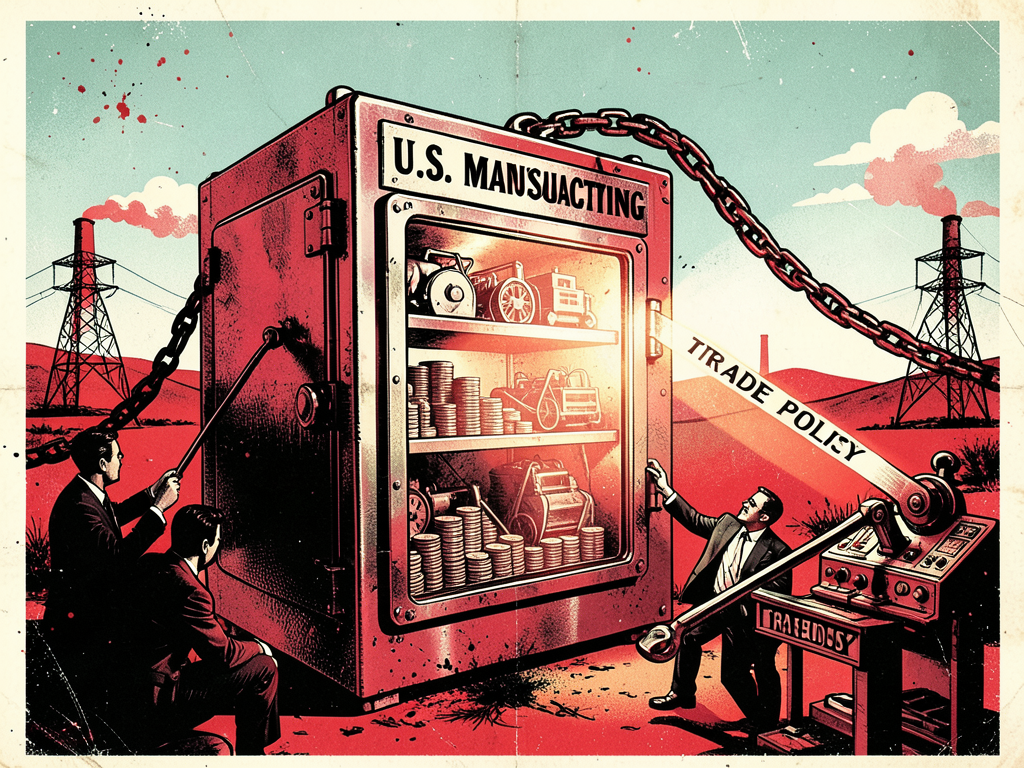
Trump’s trade war is being sold as an economic revival, not a gamble
A coordinated media push to normalize Donald Trump’s aggressive tariff policies as drivers of national economic revival was detected between July 22, 2026, a...
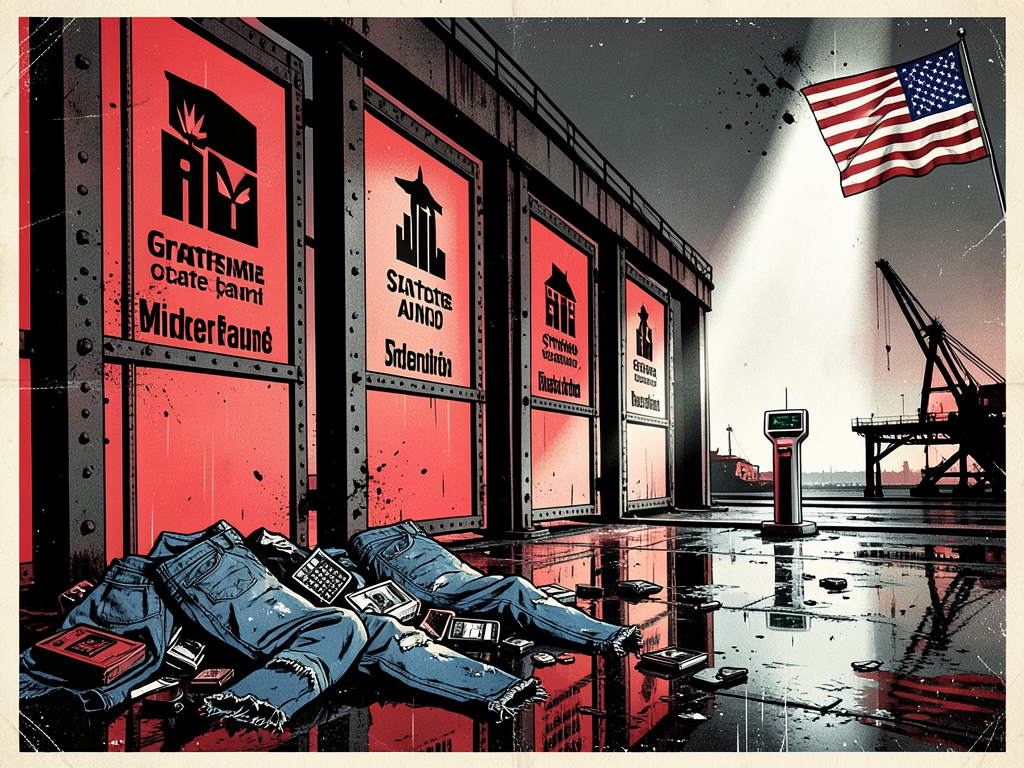
Trump's new tariffs are being framed as a moral stand against forced labor
A synchronized narrative campaign began on July 24, 2026, amplifying across 26 articles in 8 outlets over a seven-day period. The pattern served to legitimiz...
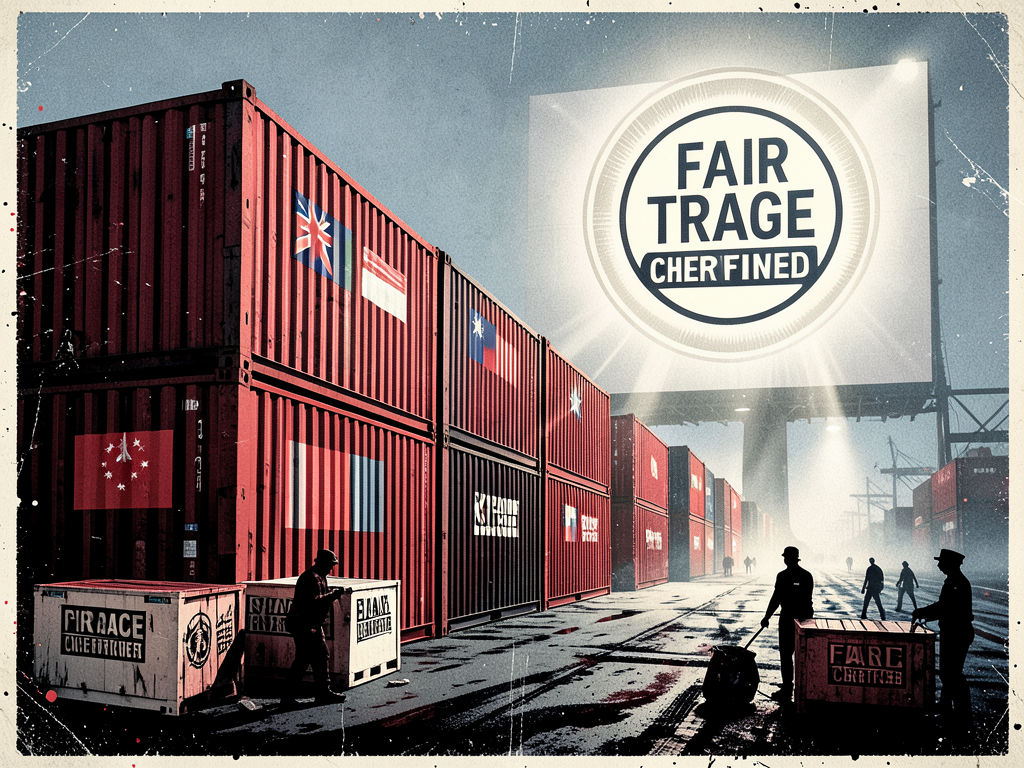
New tariffs on 60 countries are framed as a moral trade crackdown, not economic warfare
A coordinated messaging campaign promoting Donald Trump’s sweeping tariff policy emerged across multiple media outlets between July 24 and July 27, 2026. The...
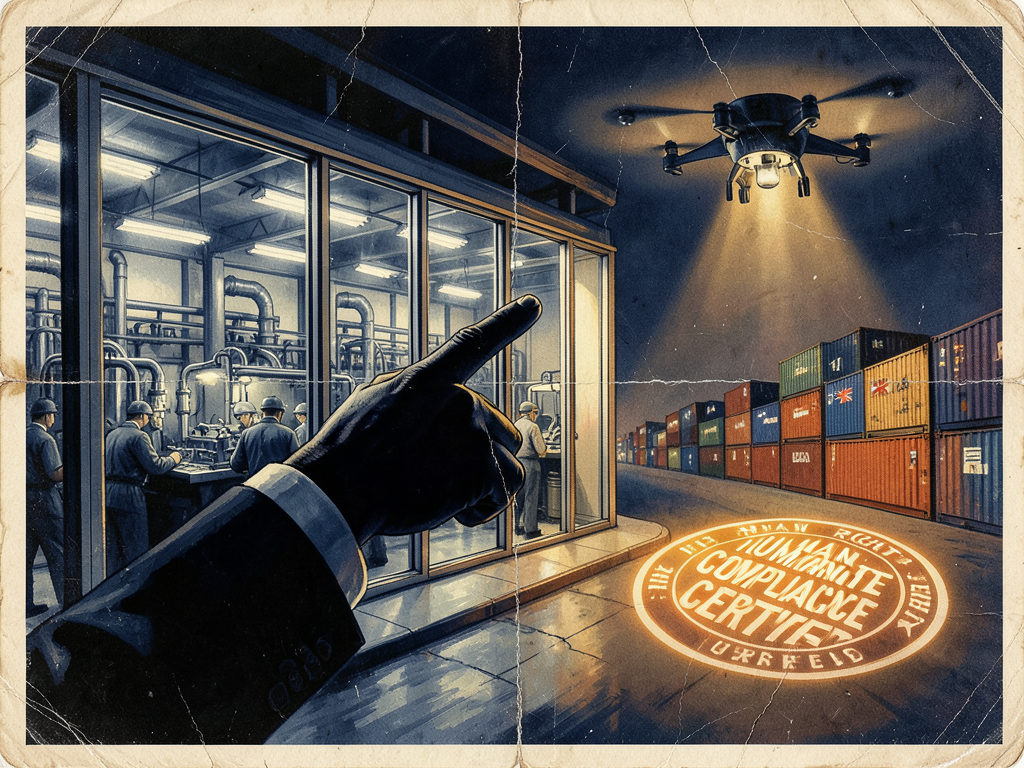
Trump’s trade wars are being reframed as human rights enforcement, not protectionism
A synchronized narrative push ran from July 22 to July 26, 2026, across six international and U.S. outlets, normalizing aggressive U.S. trade policy under Pr...
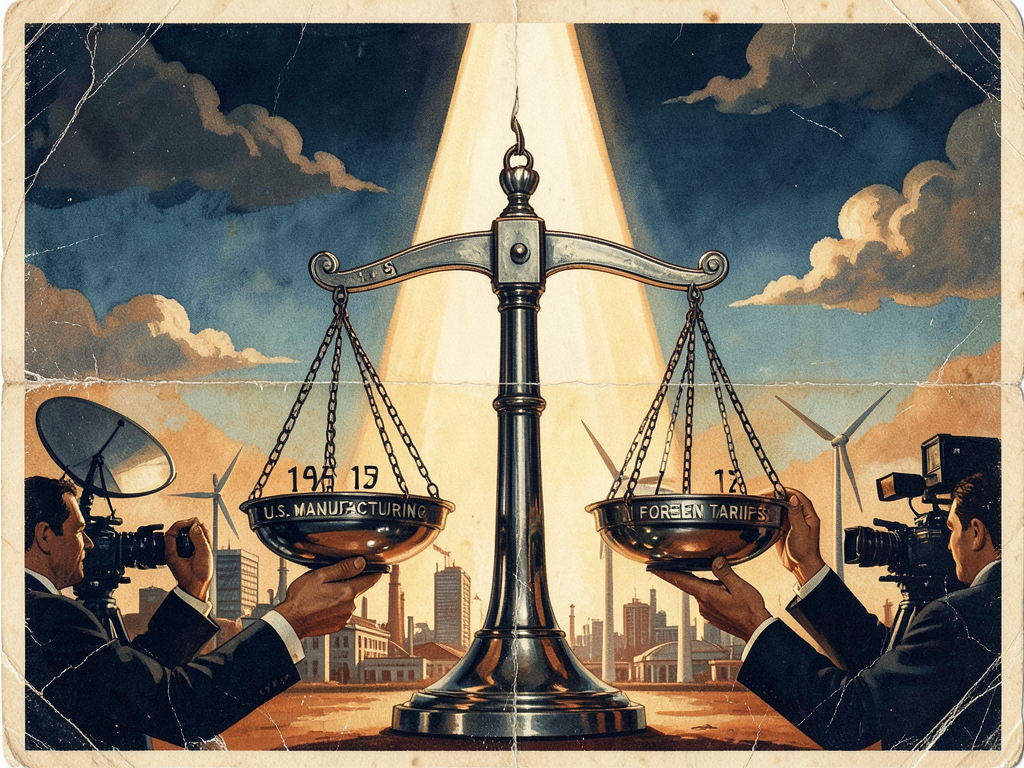
Trump’s new tariffs are being framed as a moral stand, not a trade war
A coordinated media push intensified between July 22 and July 24, 2026, across five major outlets—CNBC, CBS News, NPR, NBC News, and additional CNBC coverage...
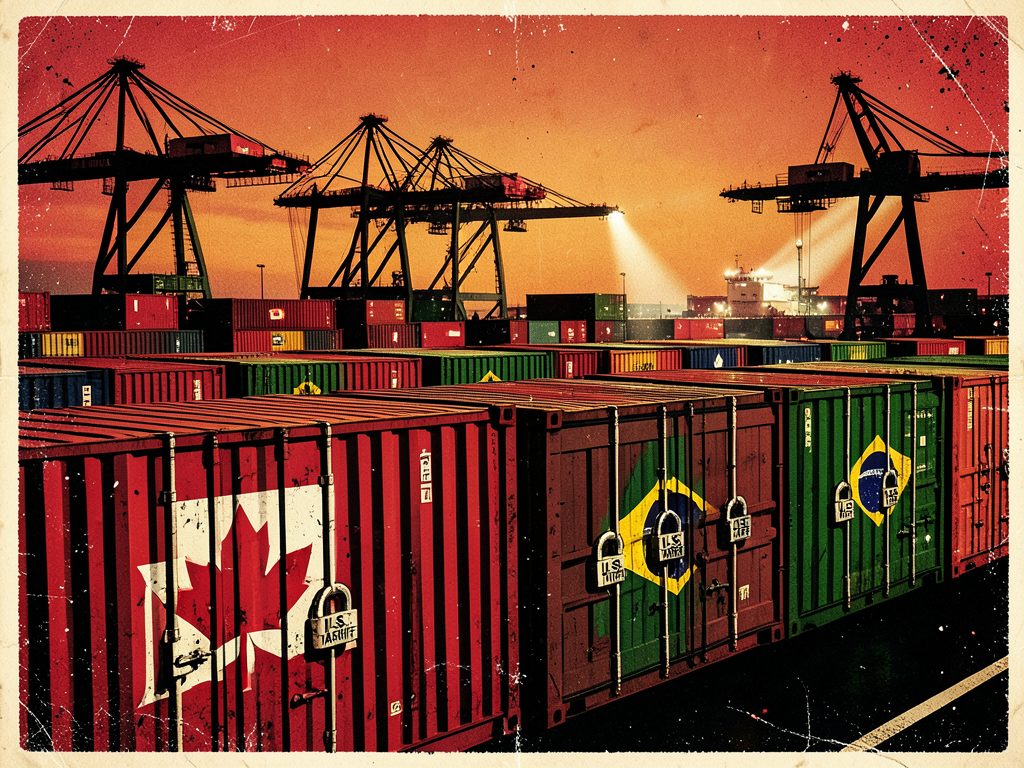
New US tariffs on Canada and Brazil are being framed as necessary and justified responses to trade disputes
On July 21–22, 2026, a spike in near-simultaneous reporting occurred across multiple outlets—CNBC, Al Jazeera, and NBC News—framing U.S. tariffs against Cana...
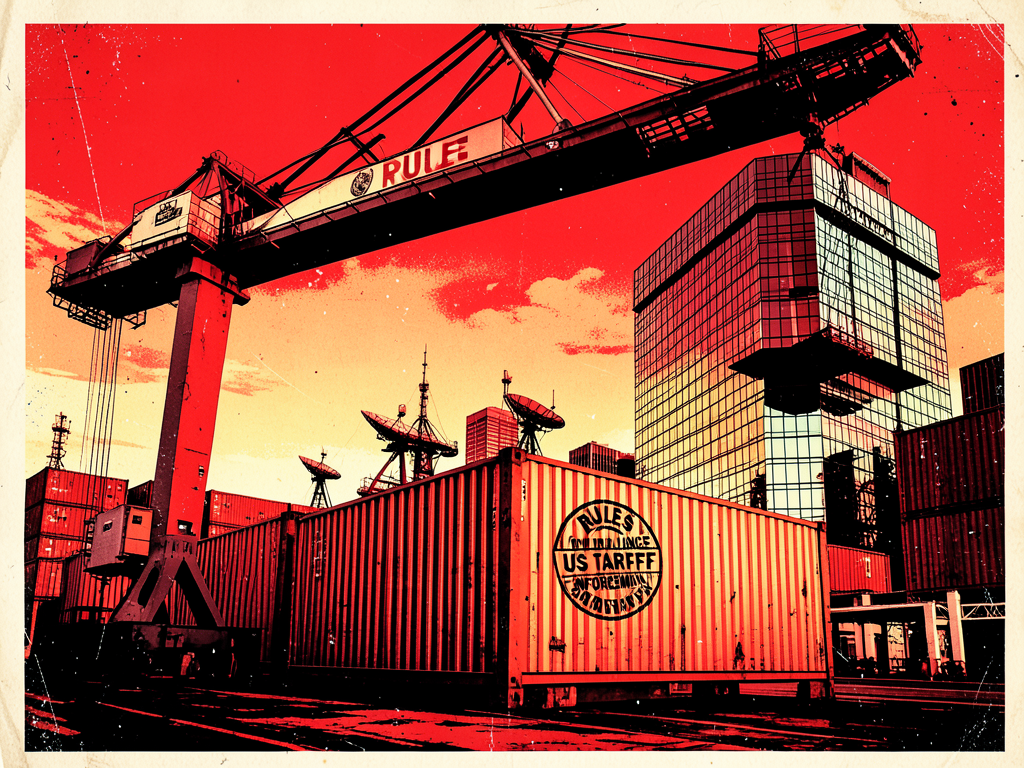
New US tariffs are being framed as rules-based responses to trade abuses
A coordinated narrative emerged on July 22, 2026, across three major outlets, normalizing U.S. tariff escalations against Canada and Brazil as legally justif...
Sources & Articles
2026-09-29T10:47:40.000Z
2026-09-17T08:46:04.000Z
2026-09-09T08:22:16.000Z
2026-09-04T13:56:57.000Z
2026-08-30T13:10:03.000Z
2026-09-30T23:21:04.986Z
2026-09-09T16:04:49.422Z
2026-09-29T20:08:33.000Z
2026-09-28T12:42:52.167Z
2026-09-26T15:41:14.000Z
Showing 10 of 48 articles