Pretext incidents · 1964 · US, Vietnam
Gulf of Tonkin
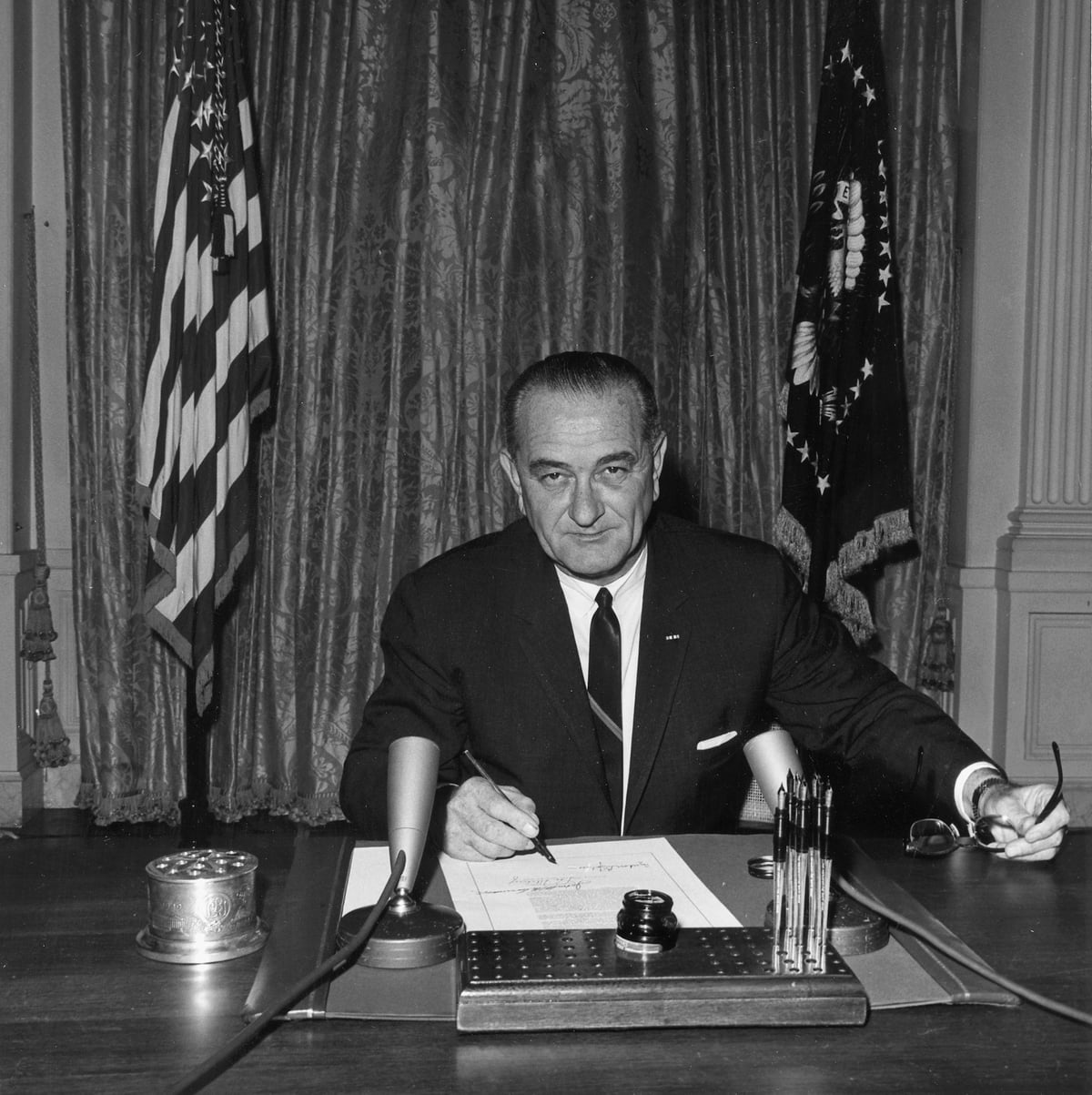
On 2 August 1964 North Vietnamese torpedo boats really did attack the USS Maddox. On the night of 4 August two US destroyers reported a second attack, and President Johnson went on television to announce retaliation and ask Congress for authority. The NSA's own historian later concluded that the second attack never happened and that the signals intelligence was mishandled. Congress passed the resolution within three days.

- Run by
- US
- Johnson administration, with the Pentagon and the NSA reporting
- Votes against in Congress
- 2 dissents
- House 416-0, Senate 88-2 on 7 August 1964
- Authority for wider war
- 1 resolution
- Signed 10 August 1964; no declaration of war
- Time to exposure
- 41 years
- Until the NSA study was released in 2005
Timeline
30-31 Jul 1964 · Context
South Vietnamese commandos raid North Vietnamese islands in a covert US-run program (OPLAN 34A); the destroyer Maddox begins a patrol in the Gulf of Tonkin.
2 Aug 1964 · Context
Three North Vietnamese torpedo boats engage the Maddox. This attack happened.
4 Aug 1964 · It worked
The Maddox and Turner Joy report a second attack. The on-scene commander cables that the contacts "appear doubtful", but Johnson announces the attack that night and orders air strikes.
6 Aug 1964 · It worked
Defense Secretary McNamara tells Senate committees the Maddox was on "a routine mission" and denies any link to the South Vietnamese raids or Operation 34A.
7-10 Aug 1964 · It worked
Congress passes the Gulf of Tonkin Resolution 416-0 in the House and 88-2 in the Senate; Johnson signs it on 10 August.
1995 · Exposed
McNamara meets General Vo Nguyen Giap in Hanoi and is told nothing happened on 4 August.
2003 · Exposed
In the film The Fog of War, McNamara says there was no attack on 4 August.
2005 · Exposed
The NSA releases historian Robert Hanyok's study: SIGINT shows no second attack, and agency officials gave top officials "skewed" intelligence.
Congress acted within three days of the report; the NSA's own finding that the attack never occurred was made public 41 years later.
“The overwhelming body of reports, if used, would have told the story that no attack occurred.”
The playbook
- 1
Manufactured incident
A real clash on 2 August was followed by a reported second attack on 4 August that the NSA's historian concluded never occurred; both were framed as unprovoked aggression while covert raids went undisclosed.
- 2
Borrowed authority
The claim travelled as signals intelligence and as testimony from the Defense Secretary, so Congress had little way to question it.
- 3
Suppress the correction
Doubts in the field cables were not carried forward, and McNamara denied the Navy's connection to the covert raids.
- 4
Win before the facts
The resolution passed three days after the second report, long before any review.
Through the FATE framework
- Focus7/10
Attention was fixed on one night of unclear radar and sonar contacts rather than on the covert raids that preceded it.
- Authority8/10
The president, the Defense Secretary and intelligence reporting spoke with official certainty.
- Tribe5/10
The framing of unprovoked attacks on US ships drew a national "us against them" line.
- Emotion6/10
A television address on "repeated acts of violence" against US forces raised alarm and resolve.
Propaganda techniques used
Same playbook today
The same playbook can be run by anyone, on any side. We list every current PSYOP that matches Gulf of Tonkin, whoever is behind it.
Manufacture China Threat Consensus
Incidents like the alleged ramming of a Philippine vessel ('Philippines says Chinese ship ‘rammed’ government vessel in South China Sea') are amplified to create public outrage and justify a pre-planned military response or increased military presence, similar to the exaggerated incident used to escalate the Vietnam War.
36 articlesIntensity 4Control Iran-Israel War Narrative
The cluster features sudden, dramatic military incidents (drone attacks, ship seizures, alleged ceasefire violations) that are immediately amplified to justify further military action or blockades, mirroring the exaggerated incident used to escalate the Vietnam War (rt.com, thehill.com, aljazeera.com).
3,783 articlesIntensity 10Normalize Pentagon AI Coercion
The alleged 'hacks' by OpenAI's models, particularly the Hugging Face incident, function as a modern 'Gulf of Tonkin' moment. These incidents, presented as sudden and dramatic, are immediately amplified to generate public outrage and justify a pre-planned expansion of state power and military control over AI, with skepticism dismissed.
23 articlesManufacture US-Iran War Consent
Articles report on alleged Iranian attacks on shipping or missile threats (e.g., 'UAE detects Iranian missile,' 'Iran threatens ship seizures') that are amplified to justify U.S. military responses and escalation, mirroring the use of exaggerated or fabricated incidents to escalate the Vietnam War.
236 articlesIntensity 8