Media capture · 1967 · US
CIA Dispatch 1035-960
CIA Dispatch 1035-960, "Countering Criticism of the Warren Report", is a 1967 instruction from the agency's Covert Action Staff to the chiefs of certain stations and bases abroad. Its stated aim was to counter and discredit the claims of conspiracy theorists about the Warren Commission, so as to inhibit their circulation in other countries, in part via "friendly elite contacts (especially politicians and editors)" and "propaganda assets". It is a declassified document about how the agency meant to handle publicity. This entry takes no position on who killed Kennedy.
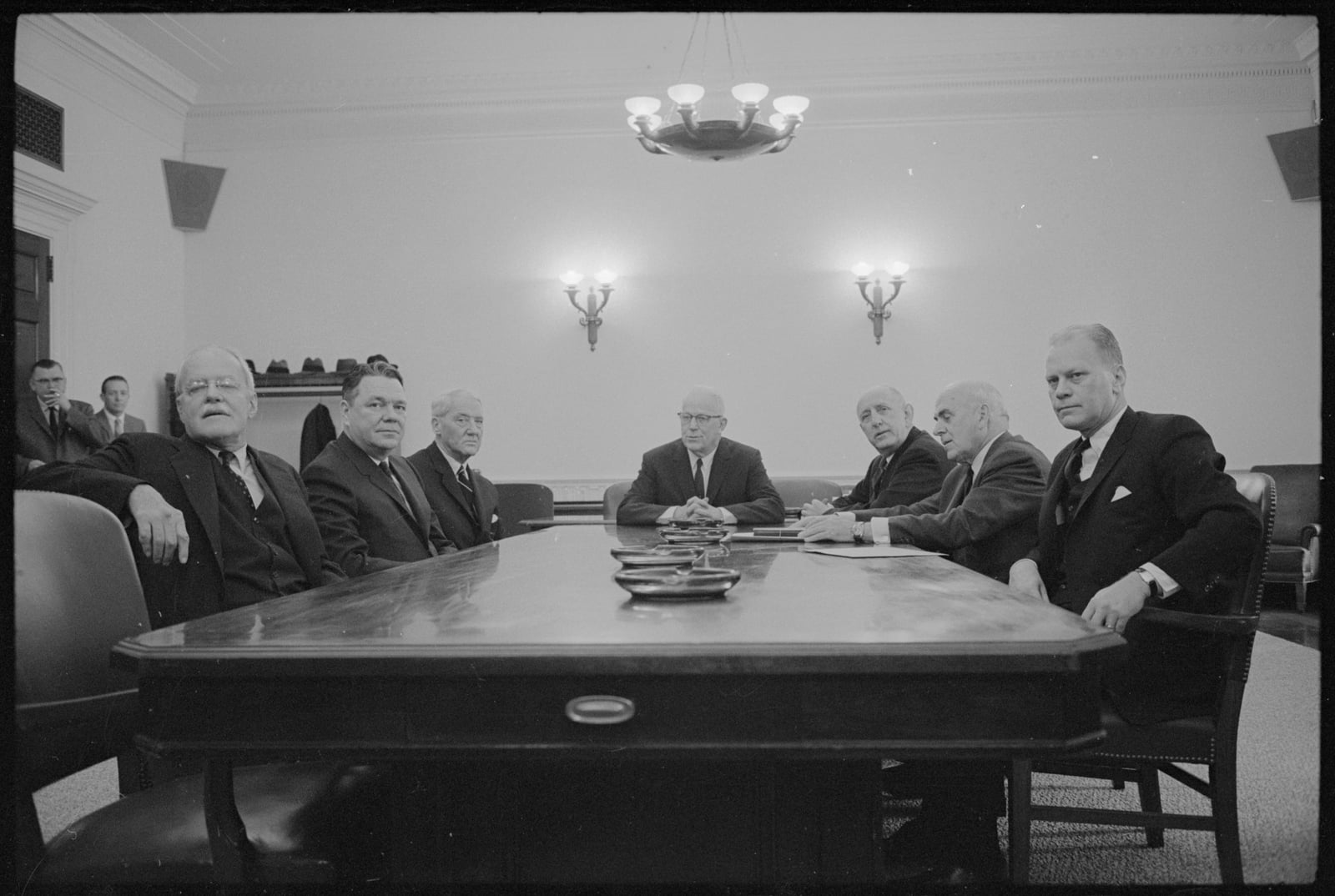

- Run by
- CIA
- Covert Action Staff, Cord Meyer as releasing officer per a Mary Ferrell Foundation cryptonym-database note
- Addressed to "Chiefs, Certain Stations and Bases"
- Stations and bases
- The number of recipients and any follow-up are not given in the sources read
- Effect of the instruction
- Not documented
- The sources read show the instruction, not what stations did with it
- Time to exposure
- 1976; fuller release 1998
- Released in 1976 after a New York Times Freedom of Information Act request (Butter); Flagpole reports a declassification in 1998, probably the fuller release under the JFK Records Act
Timeline
1 Apr 1967 · Context
The dispatch is dated 1 April 1967. It says its purpose is to provide material "for countering and discrediting the claims of the conspiracy theorists, so as to inhibit the circulation of such claims in other countries" (wording varies slightly between transcriptions), and that "Conspiracy theories have frequently thrown suspicion on our organization".
1 Apr 1967 · It worked
It tells stations to discuss "the publicity problem" with "friendly elite contacts (especially politicians and editors)" and to use "propaganda assets" to answer and refute the critics' attacks (transcriptions differ on the exact wording). It suggests pointing out that critics are "politically interested" or "financially interested", and that no significant new evidence had emerged that the Commission did not consider.
1976 · Exposed
The dispatch is released under the Freedom of Information Act after a New York Times request, per Michael Butter in The Conversation. A fuller release followed in 1998 under the JFK Records Act, per Flagpole.
1990 · Exposed
The text is reproduced in issue 2 of The Dorff Report (March 1990), and again in Lobster magazine, about 1992, after the attention around Oliver Stone's film JFK (December 1991).
The record shows what headquarters told its stations to do about critics; it says nothing on who killed Kennedy, and it does not show how many assets or editors acted on it.
“Conspiracy theories have frequently thrown suspicion on our organization”
The playbook
- 1
Hidden messenger
The reply to critics was to come from contacts and assets, not from the CIA under its own name.
- 2
Trusted repeaters
Politicians and editors were the named audience for the CIA's case, so the message would reach audiences in other countries through voices they already trusted.
- 3
Borrowed authority
The dispatch points to the Warren Commission's standing and to the claim that no significant new evidence had emerged.
Through the FATE framework
- Focus3/10
It asked contacts to steer discussion toward the Warren Commission's findings, without proposing to start debate where none existed.
- Authority6/10
It leaned on the Commission's authority and on editors and politicians as messengers.
- Tribe4/10
It suggested framing critics as politically or financially motivated.
- Emotion2/10
The instruction is dry and managerial, not emotional.
Propaganda techniques used
Same playbook today
The same playbook can be run by anyone, on any side. We list every current PSYOP that matches CIA Dispatch 1035-960, whoever is behind it.
No live PSYOP we track matches this playbook right now. When one does, it will appear here.