Media capture · 1917-1919 · US
The Creel Committee
President Wilson created the Committee on Public Information by Executive Order 2594 on 13 April 1917, chaired by the journalist George Creel with the Secretaries of State, War and Navy as members. It ran press releases, a daily Official Bulletin, pamphlets, films, posters and about 75,000 volunteer Four Minute Men speakers. Creel called it "a plain publicity proposition" and wrote that it avoided the word propaganda. It also worked with the Post Office to censor "seditious" material. Congress ended it on 30 June 1919.
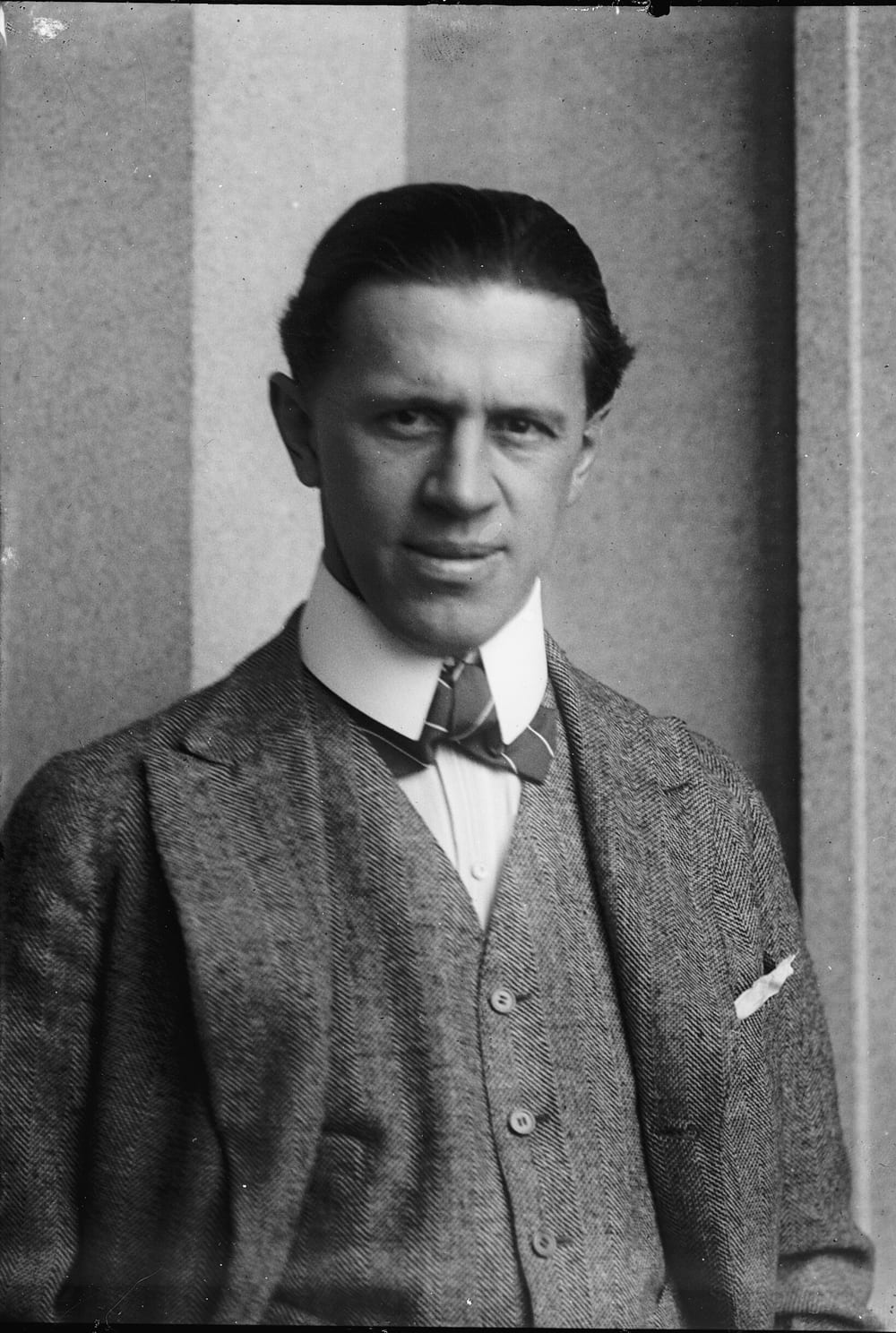

- Run by
- US
- Created by President Wilson, Executive Order 2594, 13 April 1917
- By 75,000 Four Minute Men
- 755,190 speeches
- Creel's own count, across 5,200 communities
- Pamphlets circulated, by Creel's count
- 75 million
- Some thirty-odd booklets in many languages
- Time to exposure
- 2 years
- From its creation to Congress ending it on 30 June 1919; Creel's own account appeared in 1920
Timeline
13 Apr 1917 · Context
Wilson creates the Committee on Public Information by Executive Order 2594. Its members are George Creel as chairman and, ex officio, the Secretaries of State, War and Navy.
1917-18 · It worked
The committee publishes the daily Official Bulletin, distributes pamphlets and news releases, and about 75,000 volunteer Four Minute Men give short patriotic speeches. Its Division of Pictorial Publicity produces 1,438 designs for posters, cards, buttons and cartoons.
1917-18 · It worked
It releases three feature films (Pershing's Crusaders, America's Answer, Under Four Flags), and works with the Post Office to censor "seditious" materials. Creel describes a "voluntary censorship agreement" with the press.
1917 · Exposed
After a discredited story about escorted submarines, the New York Times calls the committee "the Committee on Public Misinformation".
30 Jun 1919 · Exposed
Congress formally disestablishes the committee; Wilson abolishes it by Executive Order 3154 on 21 August 1919.
1920 · Exposed
Creel publishes How We Advertised America, writing: "We did not call it propaganda, for that word, in German hands, had come to be associated with deceit and corruption."
A government publicity machine described itself as plain publicity while also censoring; Congress closed it within about two years.
“We did not call it propaganda, for that word, in German hands, had come to be associated with deceit and corruption.”
The playbook
- 1
Borrowed authority
The committee drew on the standing of the presidency and three cabinet secretaries, and issued its material through an official bulletin.
- 2
Trusted repeaters
Messages went out through about 75,000 volunteer speakers in local communities and through newspapers carrying the releases.
Through the FATE framework
- Focus6/10
One government message about the war was pushed through every channel at once.
- Authority7/10
It spoke with the president's authority and avoided the label propaganda.
- Tribe6/10
Appeals to national loyalty and the "Hun" built an in-group at war.
- Emotion6/10
Posters, films and speeches sought patriotic enthusiasm and fear of the enemy.
Propaganda techniques used
Same playbook today
The same playbook can be run by anyone, on any side. We list every current PSYOP that matches The Creel Committee, whoever is behind it.
No live PSYOP we track matches this playbook right now. When one does, it will appear here.