Front groups and PR campaigns · 1929 · US
Torches of Freedom
On Easter Sunday, 31 March 1929, women lit Lucky Strike cigarettes while walking in New York's Fifth Avenue parade. Edward Bernays, working for American Tobacco's president George Washington Hill, had arranged it after consulting the psychoanalyst A. A. Brill, whose line was that cigarettes were "torches of freedom". Invitations went out over his secretary Bertha Hunt's name, according to Bernays's own account. The New York Times covered it on 1 April. Women's share of US cigarette purchases rose from 5% in 1923 to 12% in 1929, but how much the stunt added is not established.
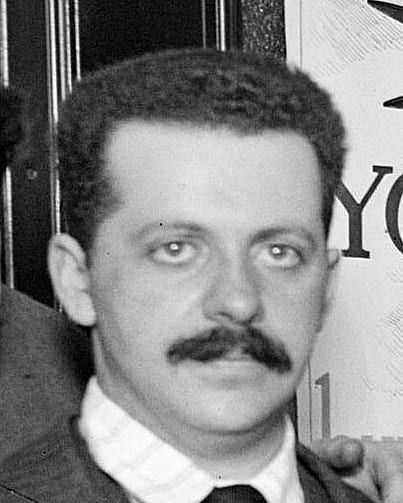

- Run by
- American Tobacco
- President George Washington Hill hired Bernays to widen the women's market
- Marched, by Bernays's account (some say a dozen)
- About 10 women
- A telegram reportedly went to about 30 debutantes
- Women's share of cigarettes bought, 1923 to 1929
- 5% to 12%
- Rise began before the stunt; its effect is not established
- Time to exposure
- Later accounts
- Bernays's own writing and later historians document the staging
Timeline
1908 · Context
New York City passes an ordinance barring women from smoking in public places (the mayor vetoes it within two weeks), reflecting the taboo; smoking among women rises during the First World War.
1928-29 · It worked
George Washington Hill of American Tobacco hires Bernays. Bernays consults the psychoanalyst A. A. Brill, who tells him that for feminists cigarettes were "torches of freedom".
Mar 1929 · It worked
A telegram signed by Bernays's secretary Bertha Hunt, using a list from a friend at Vogue, invites young women to join the Easter parade as a stand against a sex taboo; it does not name the tobacco company. Accounts differ on the number invited; the feminist Ruth Hale also made an appeal for women to join.
31 Mar 1929 · It worked
Easter Sunday: women light Lucky Strikes on Fifth Avenue in front of photographers.
1 Apr 1929 · It worked
The New York Times prints a story under the subheadline "Group of Girls Puff at Cigarettes as a Gesture of 'Freedom'".
1965 · Exposed
Bernays's memoir, Biography of an Idea, argues that "Age-old customs... could be broken down by a dramatic appeal, disseminated by the network of media". Later historians, including Larry Tye and Amos and Haglund (Tobacco Control, 2000), write up the staging.
Readers saw young women asserting freedom; the cigarette maker and the paid-for planning behind the march were not in the story.
“Group of Girls Puff at Cigarettes as a Gesture of 'Freedom'”
The playbook
- 1
Test the message
Bernays consulted a psychoanalyst, A. A. Brill, before choosing the "torches of freedom" frame.
- 2
Hidden messenger
The invitation went out over his secretary's name, not American Tobacco's.
- 3
Manufactured incident
The march was arranged for photographers at the Easter parade.
- 4
Trusted repeaters
The New York Times and other papers reported it as news about women's rights.
Through the FATE framework
- Focus5/10
Attention moved from a health product to a spectacle of liberty on a busy street.
- Authority3/10
Little formal authority beyond a psychoanalyst consulted in private and press endorsement.
- Tribe5/10
It borrowed the identity of the women's-rights movement for a commercial aim.
- Emotion6/10
The pitch tied cigarettes to freedom and defiance of a taboo.
Propaganda techniques used
Same playbook today
The same playbook can be run by anyone, on any side. We list every current PSYOP that matches Torches of Freedom, whoever is behind it.
No live PSYOP we track matches this playbook right now. When one does, it will appear here.