Atrocity propaganda · 1915 · UK, Belgium
The Bryce Report
German troops killed Belgian civilians in large numbers in 1914 (674 at Dinant alone); that is documented. In December 1914 the British government appointed a committee under Viscount Bryce to report on it. Published on 12 May 1915, its report rested on about 1,200 depositions taken without oath, mostly with names withheld; the committee interviewed no one itself. It was translated into more than 30 languages and reprinted by every New York newspaper. Historians later found much of it accurate, but some anecdotes were unreliable and several massacres were undercounted.
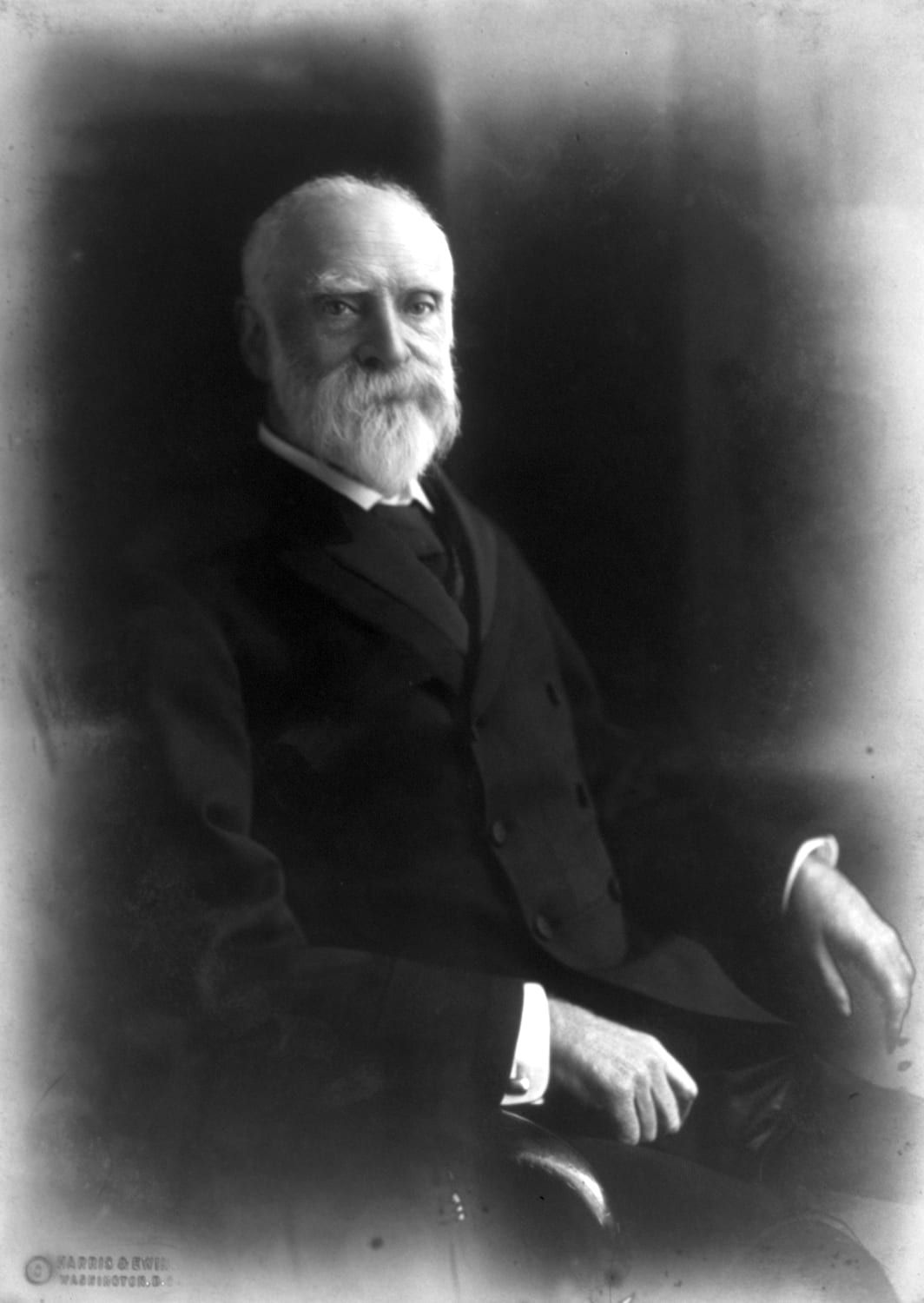

- Run by
- UK
- Appointed by Prime Minister Asquith; circulated abroad by British propaganda services
- Translations in all
- 30+ languages
- About 1,200 depositions behind a 61-page report
- Every New York paper reprinted it
- 1 city press
- By 27 May 1915, two weeks after publication
- Time to exposure
- 1942
- The original depositions, missing since the war, were located on 13 August 1942
Timeline
15 Dec 1914 · Context
Prime Minister H. H. Asquith appoints a committee chaired by Viscount Bryce to consider the evidence on alleged German outrages in Belgium; Sir Kenelm Digby is added on 22 January 1915.
Winter 1914-15 · It worked
English barristers take about 1,200 depositions from Belgian refugees, mostly civilians, and from British soldiers. They had "no authority to administer an oath", and witnesses were promised their names would not be disclosed. The committee itself interviews no witness.
12 May 1915 · It worked
The report is published, concluding that "Murder, lust, and pillage prevailed over many parts of Belgium on a scale unparalleled in any war between civilised nations during the last three centuries." About 500 statements appear in the text, with excerpts from 37 German soldiers' diaries.
27 May 1915 · It worked
Every New York newspaper has reprinted the report; British authorities ship tens of thousands of copies to the United States.
Late 1915 · It worked
The report has been translated into every major European language by the end of the year (more than 30 languages in all) and is circulated widely by British propaganda services, especially in the United States.
1939 · Exposed
When the American researcher James Morgan Read asks for the original depositions he is told they are lost; they are found on 13 August 1942 and later destroyed, most likely by a German rocket. There is no evidence they were deliberately withheld.
2001-2007 · Exposed
John Horne and Alan Kramer publish "German Atrocities, 1914: A History of Denial" (2001); Jeff Lipkes's Rehearsals follows in 2007. Later historians judge the report substantially accurate on civilian testimony, but find weaker soldier testimony, and say it under-investigated and undercounted massacres at Andenne, Tamines and Dinant (it gives no totals for Dinant) and understated the toll at Aarschot. Critics also singled out anecdotes such as a bayonetted child at Mechelen.
The evidence was anonymised and unsworn, yet it travelled in 30 languages within months; the originals were not found for 27 years.
“Murder, lust, and pillage prevailed over many parts of Belgium on a scale unparalleled in any war between civilised nations during the last three centuries.”
The playbook
- 1
Borrowed authority
The claims were issued as the finding of a government-appointed committee with a named chairman, members and joint secretaries, not as ministry assertion.
- 2
Unverifiable victim
Witness names were withheld and no oath was administered, so readers could not check the accounts, including the ones later judged doubtful.
- 3
Trusted repeaters
Newspapers carried the report as news; by 27 May 1915 every New York paper had reprinted it.
Through the FATE framework
- Focus6/10
The report fixed attention on Belgium and German conduct, and a few vivid anecdotes outran the better-evidenced massacres.
- Authority8/10
An official committee with a distinguished chairman gave unsworn evidence the weight of a judicial finding.
- Tribe6/10
A "civilised" Allied side was set against German troops, shaping loyalties in neutral America.
- Emotion8/10
Murder of civilians, violated women and murdered children drew intense moral outrage.
Propaganda techniques used
Same playbook today
The same playbook can be run by anyone, on any side. We list every current PSYOP that matches The Bryce Report, whoever is behind it.
No live PSYOP we track matches this playbook right now. When one does, it will appear here.