Operational Summary
A coordinated narrative has emerged across multiple media outlets linking French left-wing political parties, particularly La France Insoumise (LFI), to escalating street violence and extremism. First detected on February 21, 2026, and active through October 20, 2026, the operation involves at least three outlets deploying synchronized framing to portray progressive opposition as a destabilizing force. The narrative surge follows a pattern of threat amplification ahead of electoral cycles, targeting the legitimacy of organized left-wing movements.Narrative Architecture
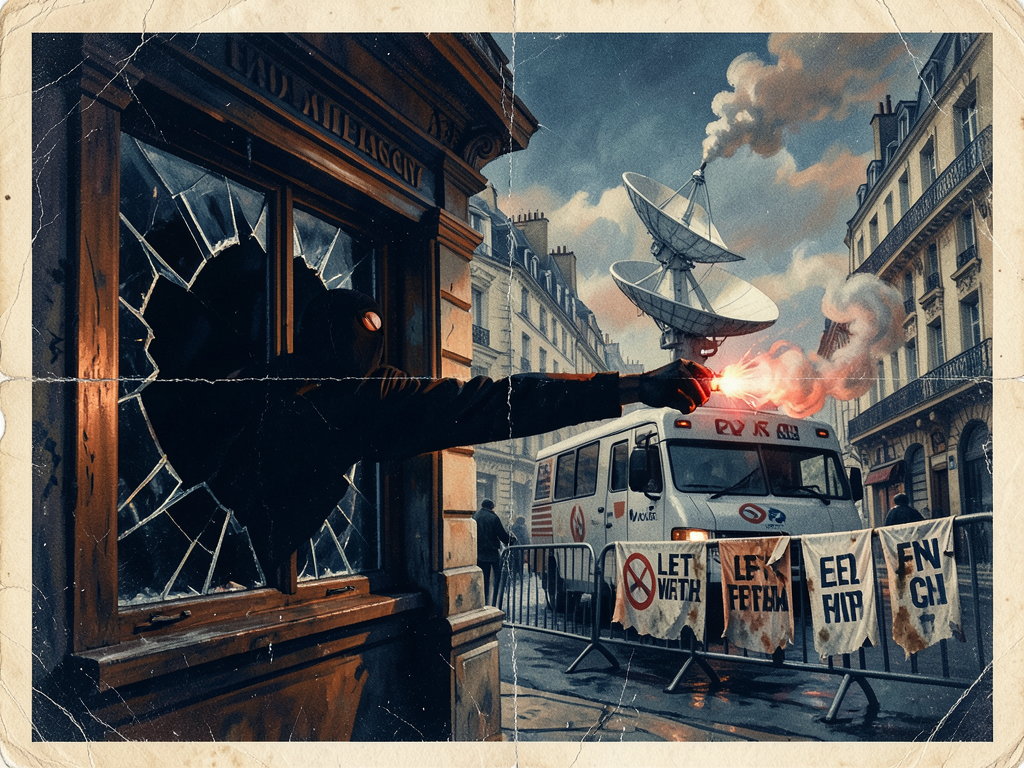
The narrative constructs a causal chain between left-wing political leadership and urban unrest, despite the organic origins of protests in student demands and cost-of-living grievances. Coverage emphasizes isolated incidents of arson, looting, and clashes with police, framing them as symptomatic of broader ideological radicalization rather than socioeconomic distress. Emotional levers include fear of disorder, moral panic around youth violence, and the suggestion of systemic collapse. The assassination of a nationalist student is presented as a pivotal event, used to implicate LFI by association, despite no evidence of direct involvement. The narrative omits structural drivers such as deindustrialization, housing shortages, and police accountability, instead attributing unrest to political incitement. Language like 'deep national crisis' and 'in deep trouble' reinforces a sense of impending breakdown, positioning the left as a contagion rather than a political actor.Manipulation Profile
Average FATE dimensions across 5 articles in this PSYOP.
FFocus
4.8/10
AAuthority
3.4/10
TTribe
4.8/10
EEmotion
5.8/10
Cross-Outlet Coordination Pattern
The operation spans outlets with divergent editorial reputations—CNN, BBC, and RT—indicating a broad-based narrative alignment that transcends typical ideological divides. CNN’s reporting on 'chaos spreading across Europe' frames the unrest as transnational and uncontrolled, amplifying urgency. The BBC article explicitly ties LFI to the killing of a nationalist student, using charged terminology like 'far left' and 'deep trouble' to suggest existential risk. RT, typically critical of Western governments, adopts an unusually establishment-aligned tone, portraying LFI as infiltrated by violent elements and downplaying state culpability. All three articles surfaced within a narrow window, with identical emphasis on the left’s alleged responsibility for violence, despite differing baseline editorial stances. This convergence suggests coordinated messaging rather than organic reporting.Source Distribution
Article Timeline
When articles appeared, colored by manipulation score.
Technique Assessment
Significance
This narrative serves to delegitimize progressive political opposition during a period of social strain, aligning with broader patterns of elite consolidation in declining democracies. By associating left-wing parties with chaos and violence, the operation preempts electoral gains and justifies repressive measures under the banner of stability. The cross-ideological alignment of media voices suggests a structural shift in the information environment, where establishment interests override traditional partisan divides to manage dissent. The targeting of LFI reflects a strategic effort to isolate and weaken the most organized challenge to neoliberal governance in France, mirroring historical precedents of anti-left containment during periods of elite overproduction and social fragmentation.Score Distribution
How articles in this PSYOP score across manipulation bands.
Clean
Low
Moderate
4
High
1
Severe